REVIEW: Sandisk Extreme Pro CF card

Shooting on Sandisk Extreme Pro cards for the past 4 months has been great! Here is why…
I have been shooting on Sandisk Extreme Pro CF cards since the end of September and must say it is one of those things that you don’t know you are missing and need, till you try it. I know its quite a long test period, but wanted to use the card in every possible situation before I wrote my review.
Ask anyone in our industry and they will tell you Sandisk has always been synonymous with reliability, now with these cards they combine it with speed  and size.

I shoot on RAW and this puts extra pressure on your equipment as you can shoot less frames before you reach your camera’s buffer, because your camera needs to deal with huge amounts of data.

The speed rating on the CF cards are up to 90MB/s (600x) for serious performance gains. And the card I have is 16GB but they go up to 128GB! While I’m busy with specs, here is the rest from Sandisk’s website:

·         READ & WRITE PERFORMANCE: Up to 90MB/s (600x)* for serious performance gains.
·         CAPACITIES: 16GB, 32GB, 64GB** give you more room to capture RAW+JPEG, sequential bursts and high-definition video
·         UDMA: UDMA 6 enabled (works in all UDMA modes) POWER CORE CONTROLLERTM & ENHANCED SUPER-PARALLEL PROCESSINGTM “ESP”: Was invented by SanDisk to increase the card’s performance level.
·         TEMPERATURE: Tested to perform from -25°C to 85°C (-13°F to 185°F)
·         SPECIFICATION: Meets CFA Specification Type I Card
·         DURABILITY: Shock protection and RTV silicone coating added inside for protection against moisture and humidity
·         WARRANTY: Backed by rigorous stress-testing procedures and our limited lifetime warranty.
* Up to 90MB/s read/write. Based on SanDisk internal testing: performance may be vary depending upon host device.
**1 megabyte (MB) = 1 million bytes. X = 150 KB/sec. and 1 gigabyte (GB) = 1 billion bytes
† 30 years warranty in Germany and regions not recognizing Limited Lifetime warranty
Not all cameras can support 64GB capacity CompactFlash cards. Please check with your camera manufacturer for 64GB compatibility.

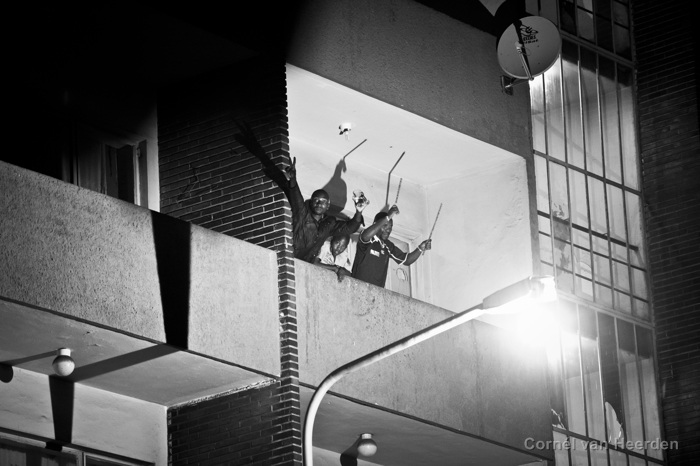
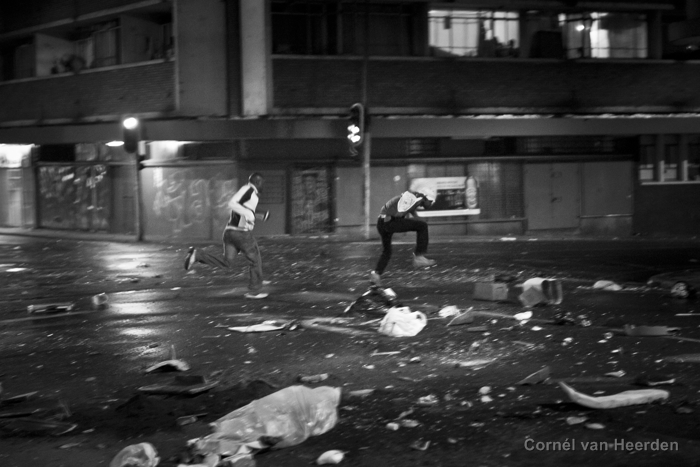
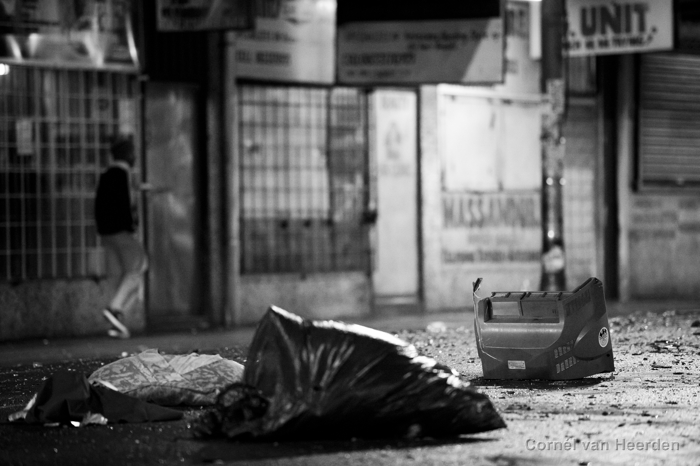
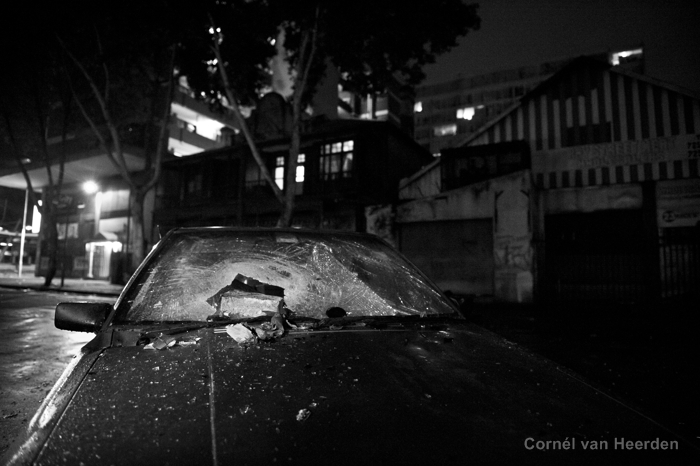
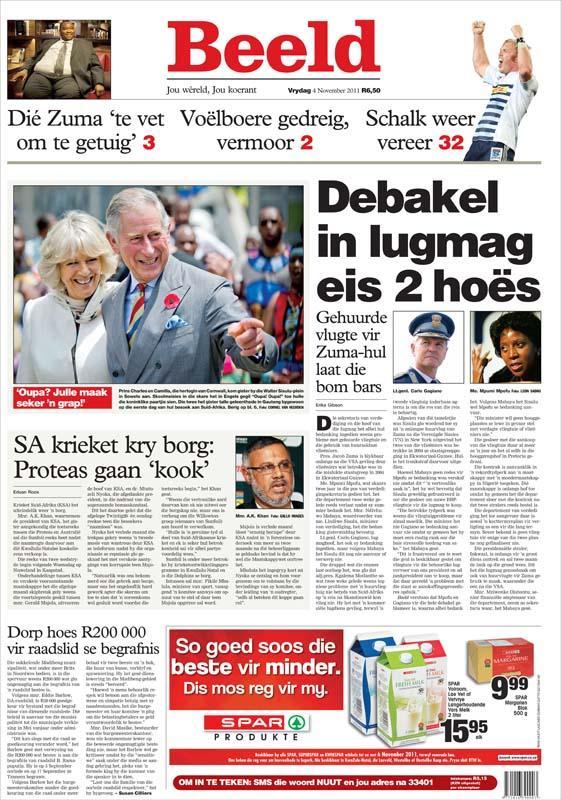
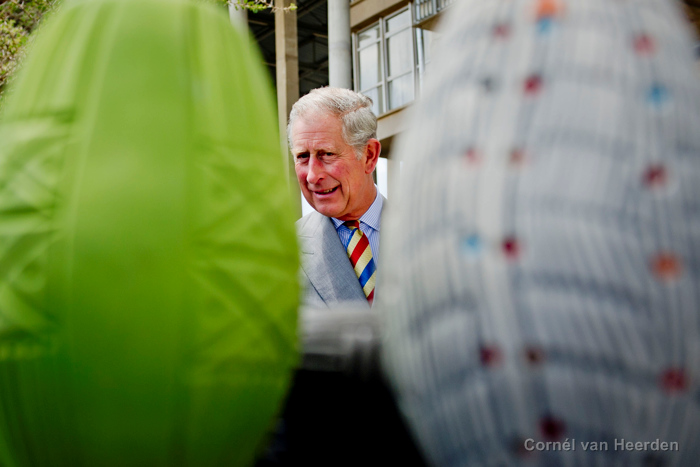
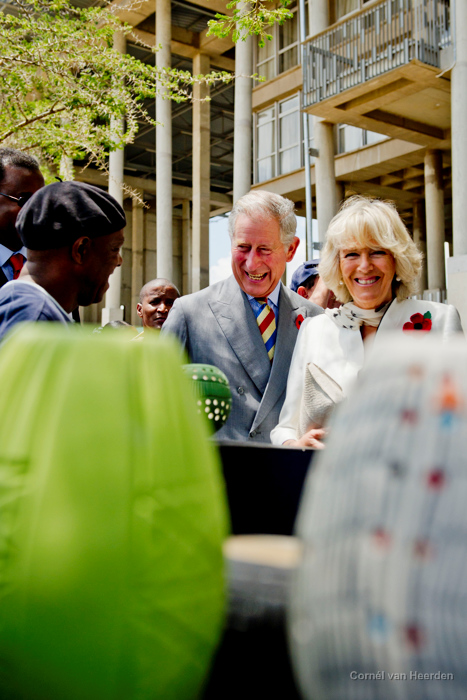
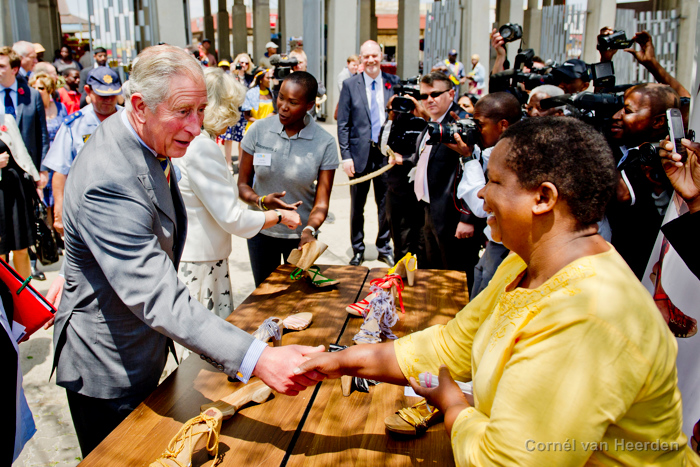
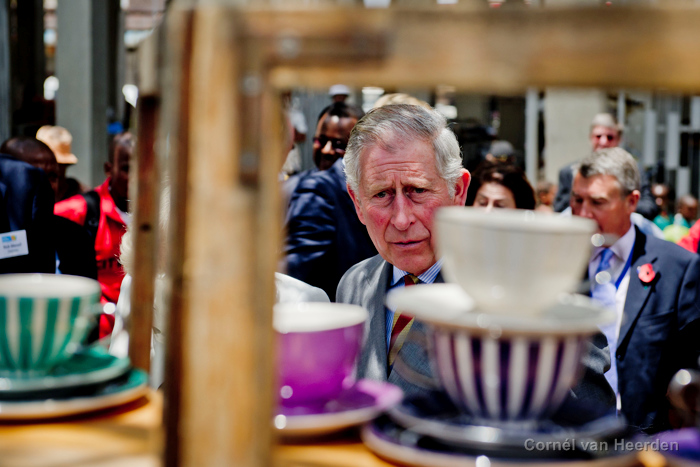
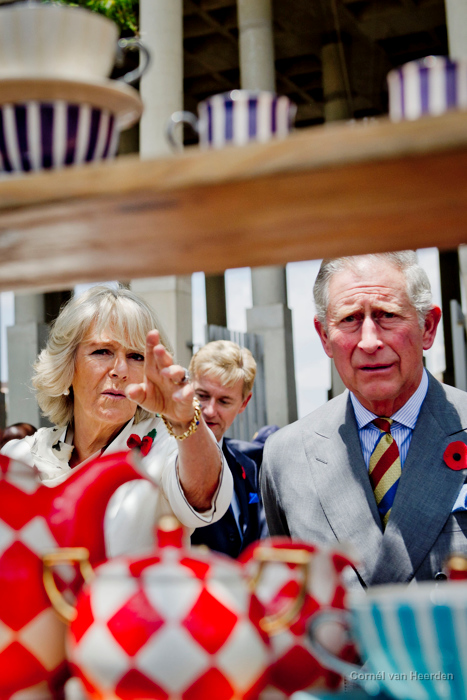
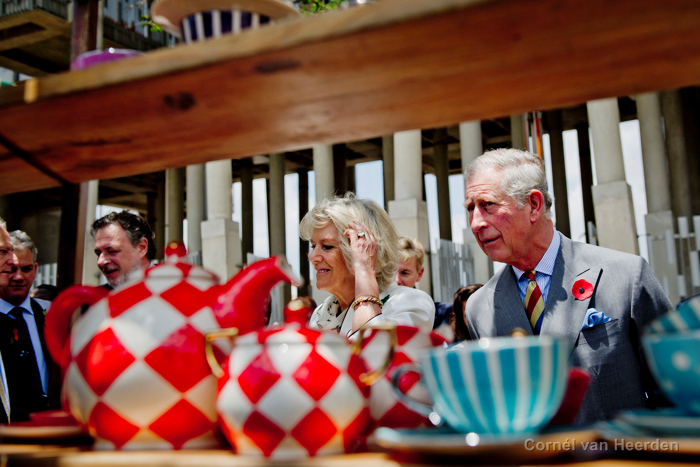
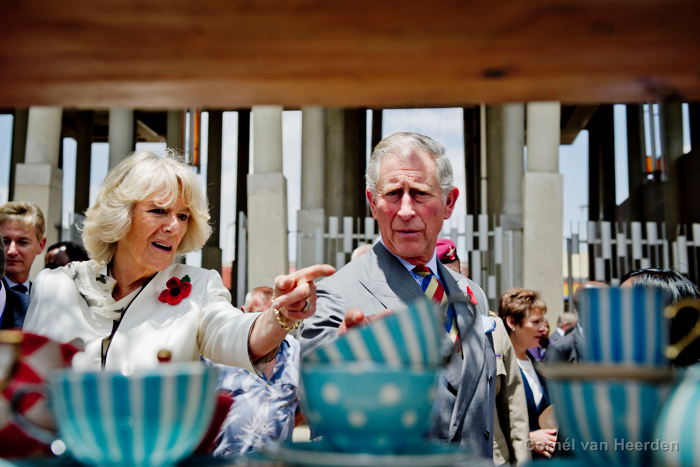
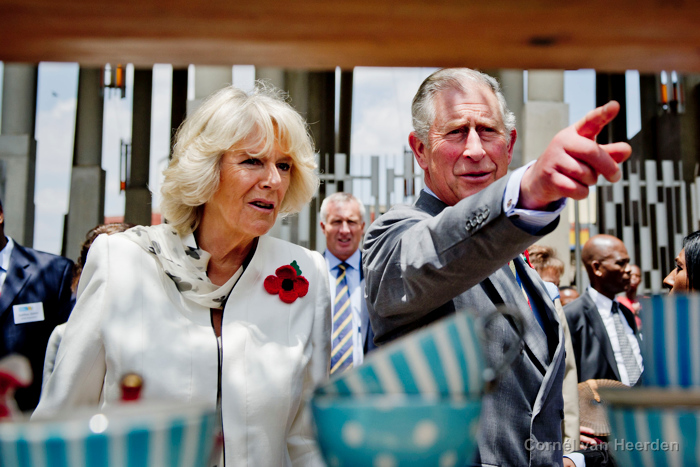
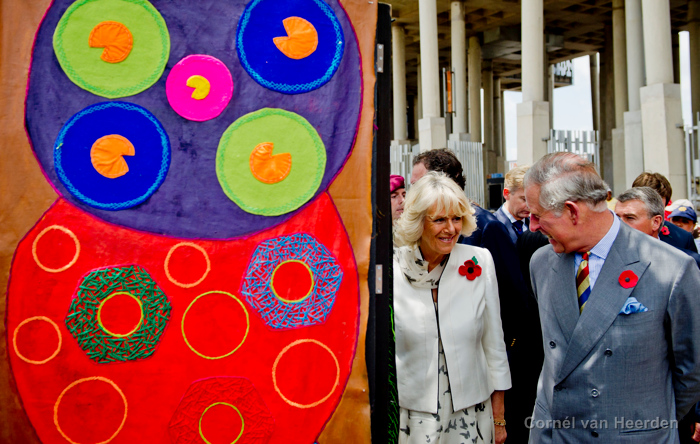
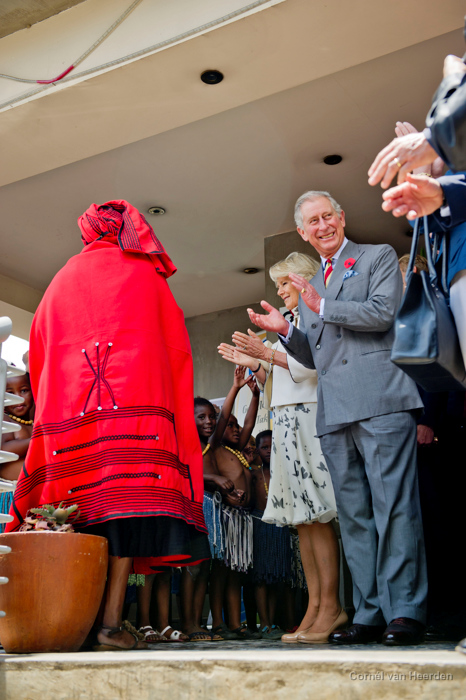
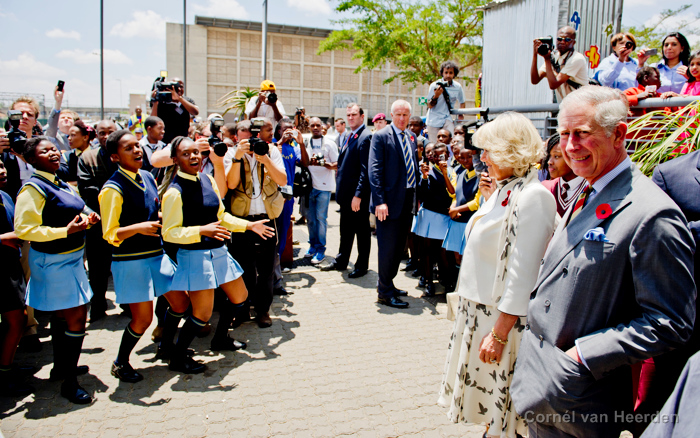
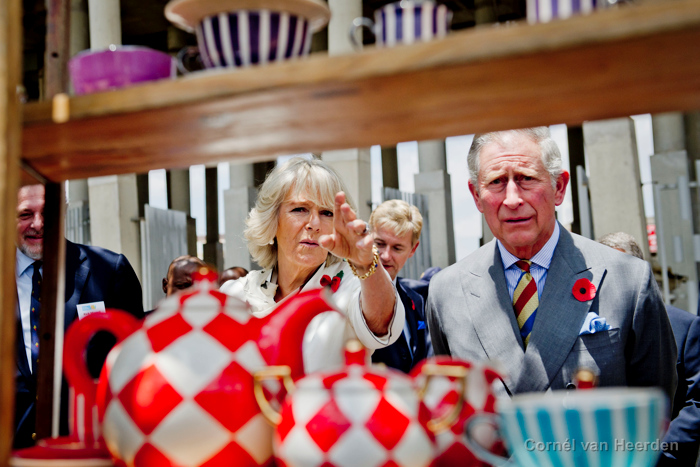
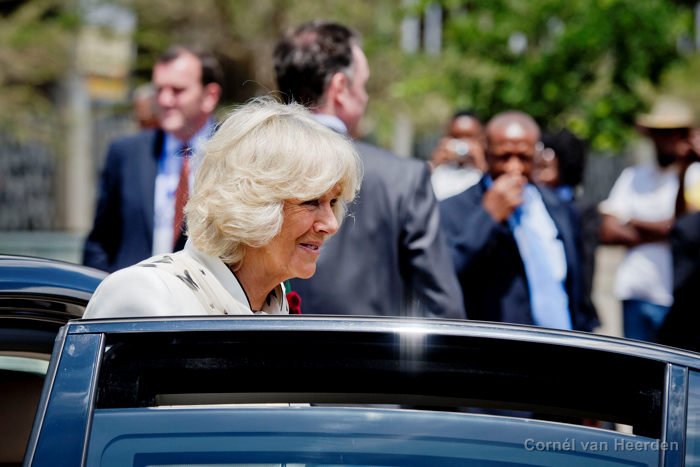
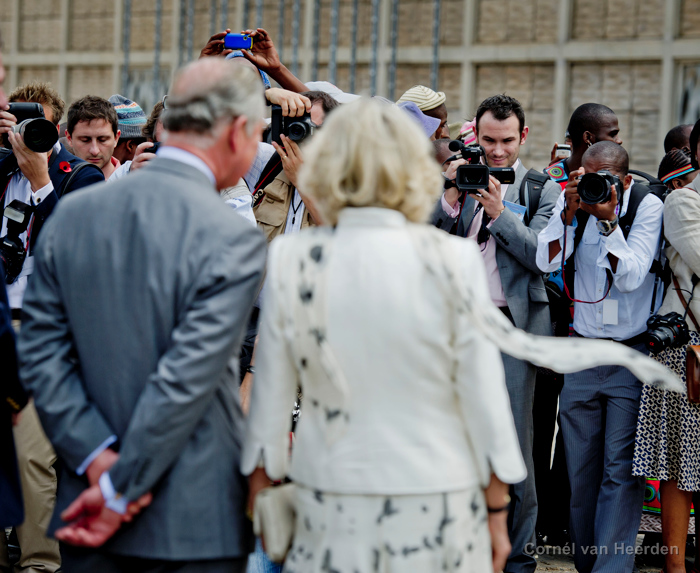
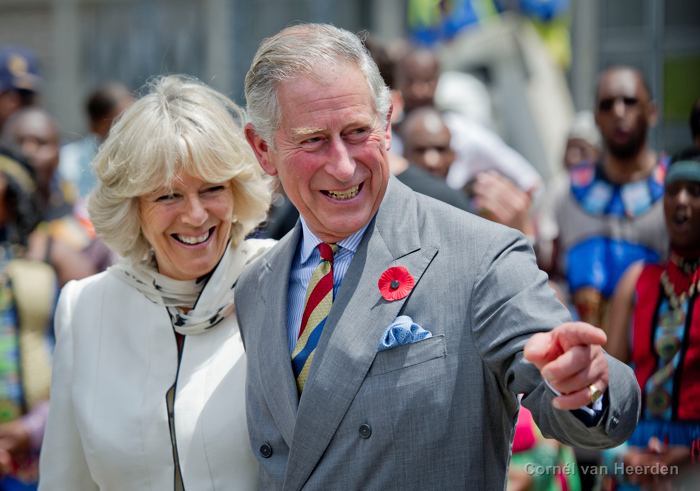
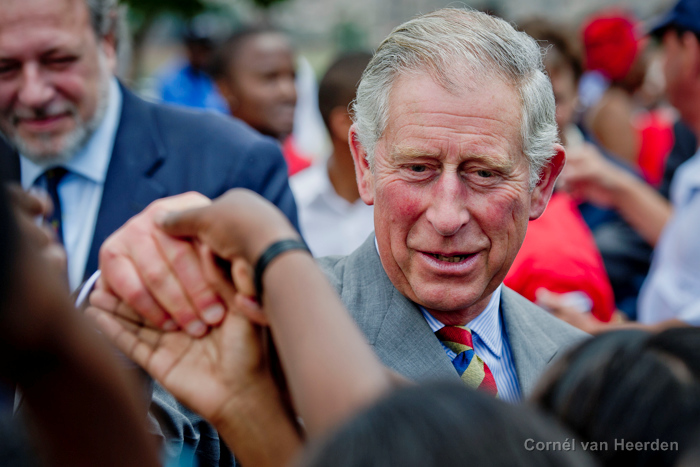
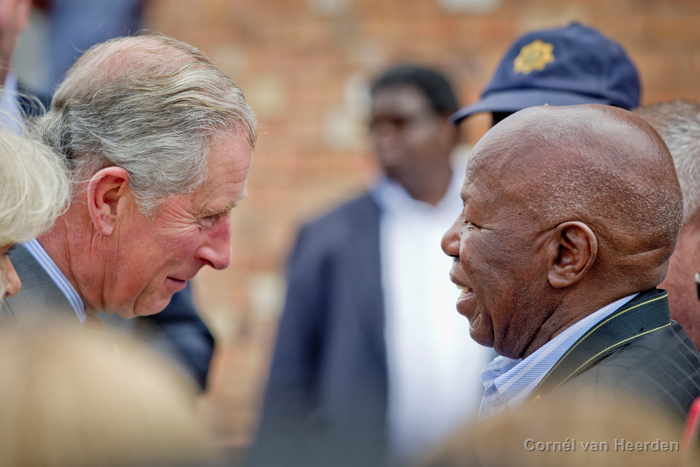
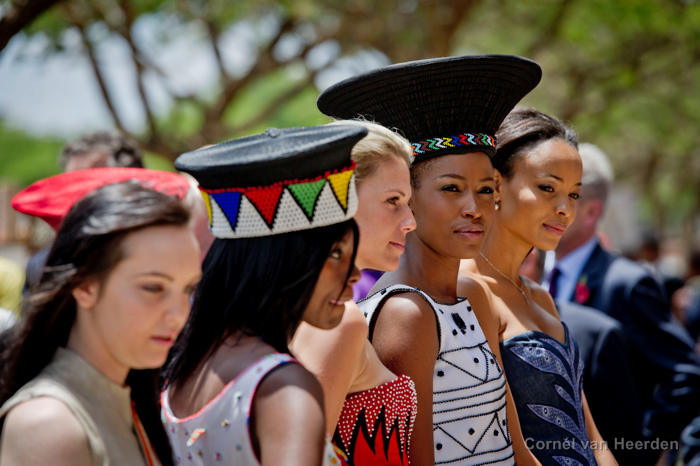
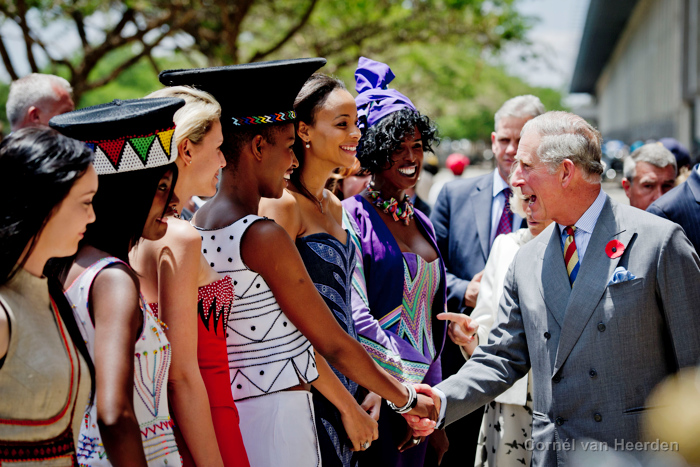
During these 4 months I have shot features, portraits, medical operations, Prince Charles’ visit to South Africa, hard news – riots, live performances, court and Zoo to name a few. And I have had no problems whatsoever. During Prince Charles’ visit I shot quite a lot in close succession, because it is a very important story and there is just no way that you can miss a shot and say something like: “Oh, but my camera buffered”. When photographers from international photo agencies were changing CF cards, I just smiled and continued shooting. There, not only the speed helped but also the large capacity of my cards.
I can honestly say that with Sandisk Extreme Pro I have never shot my buffer full and with speed being so important in my job, both to get the shot as well as filing deadlines, it has been a breeze and I would recommend them to anybody. Try them.
Here is only a few pics that I have shot on Sandisk cards:
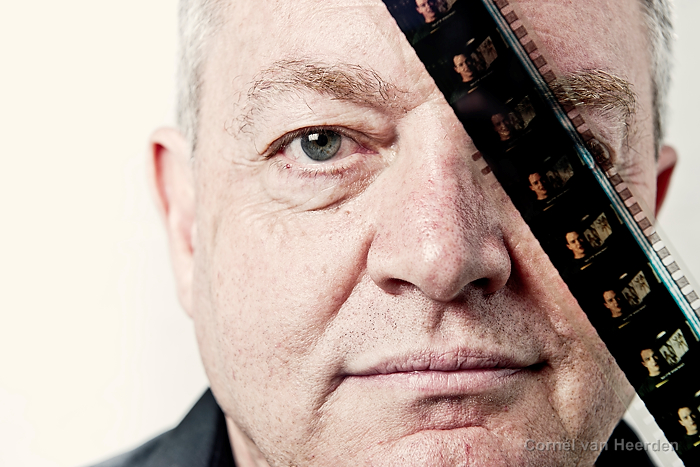
 Leon van Nierop in his bath
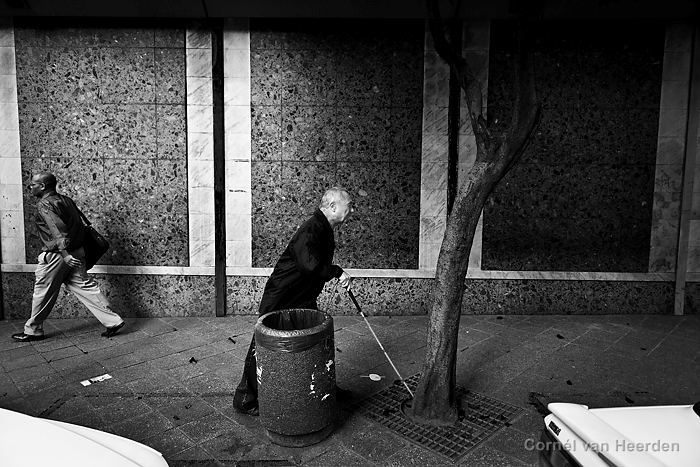
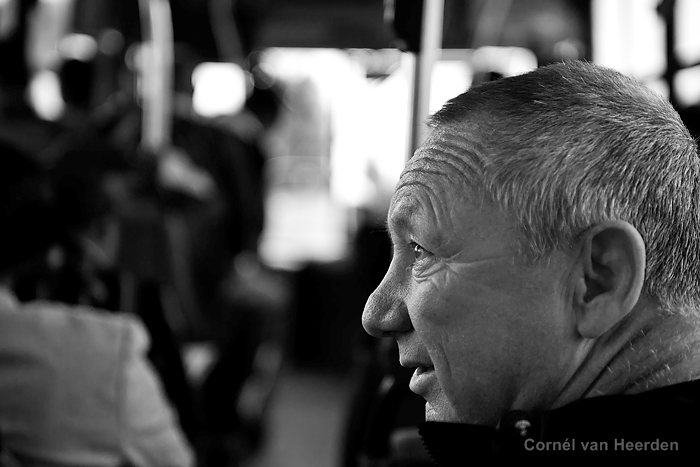
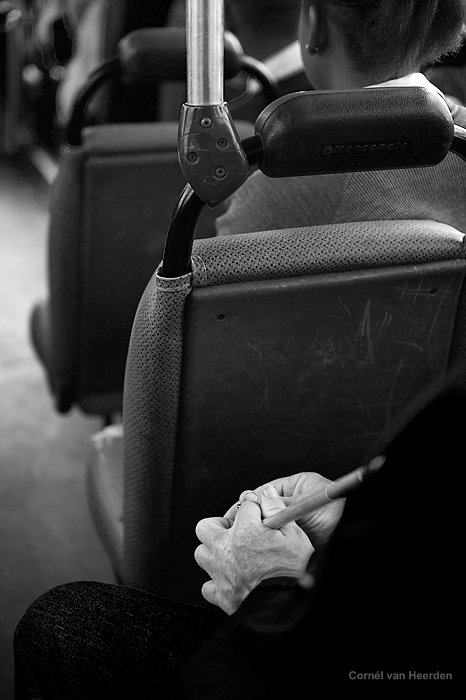
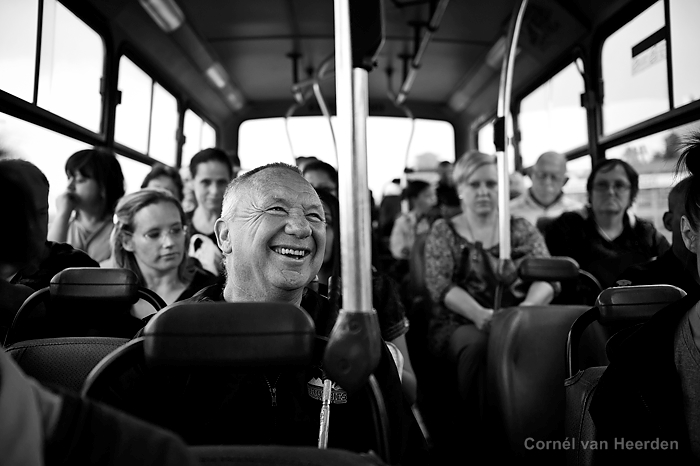
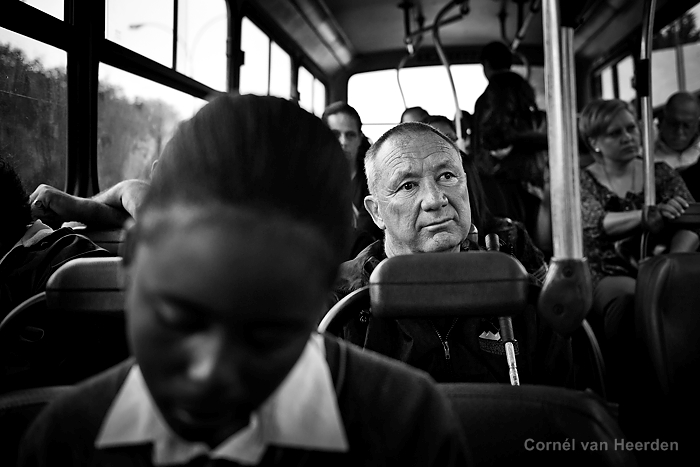
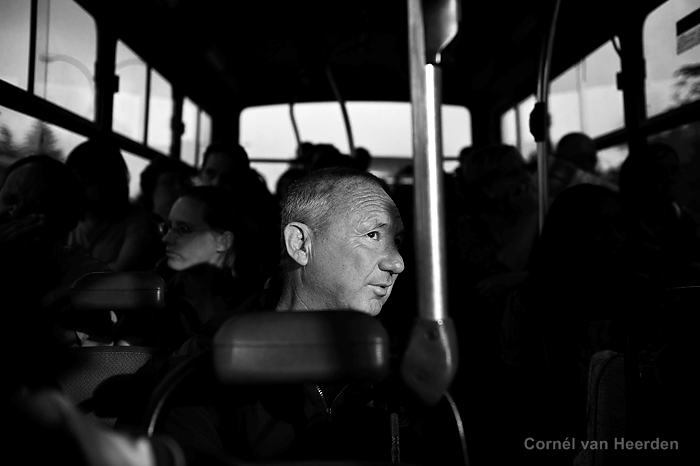
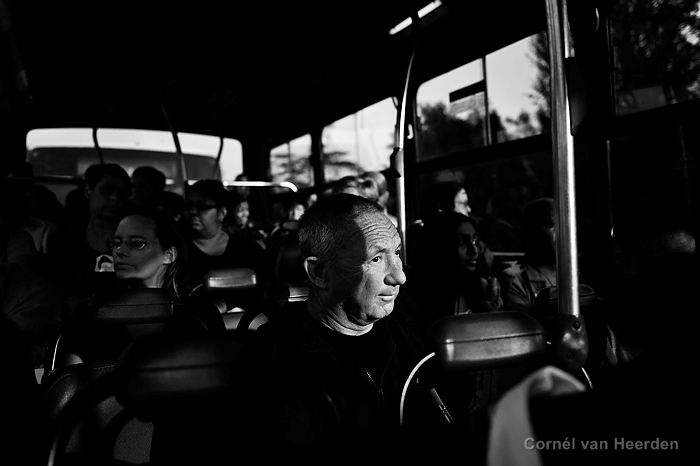
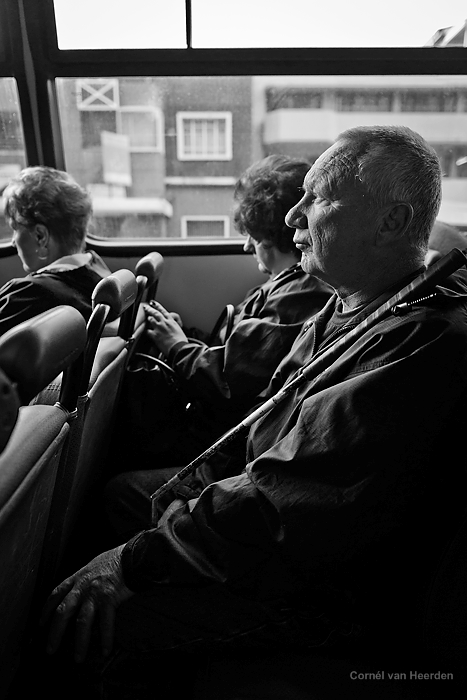
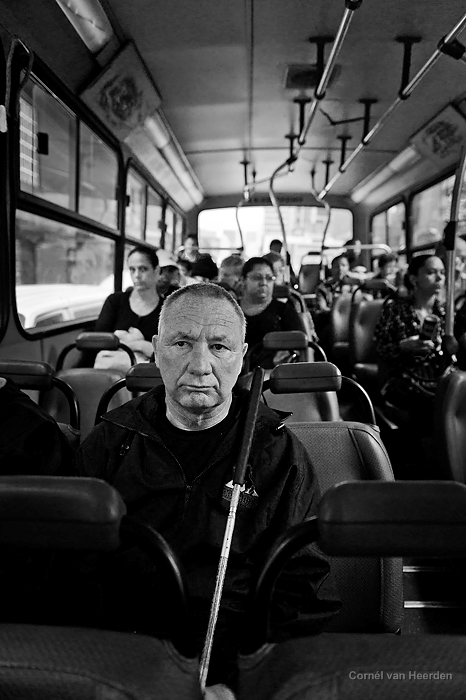
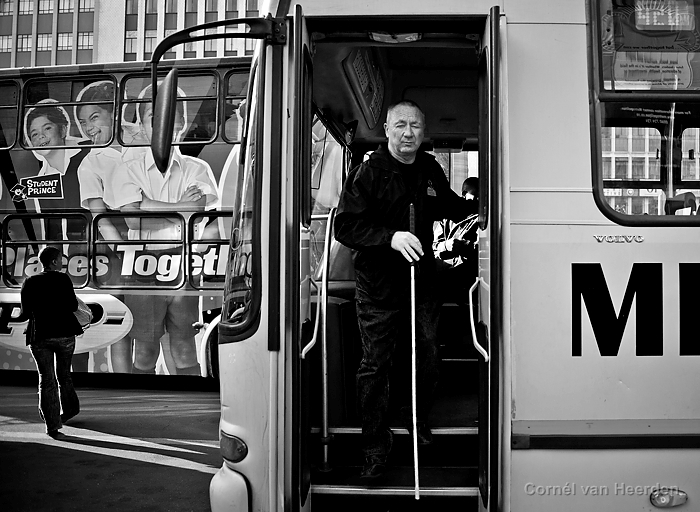
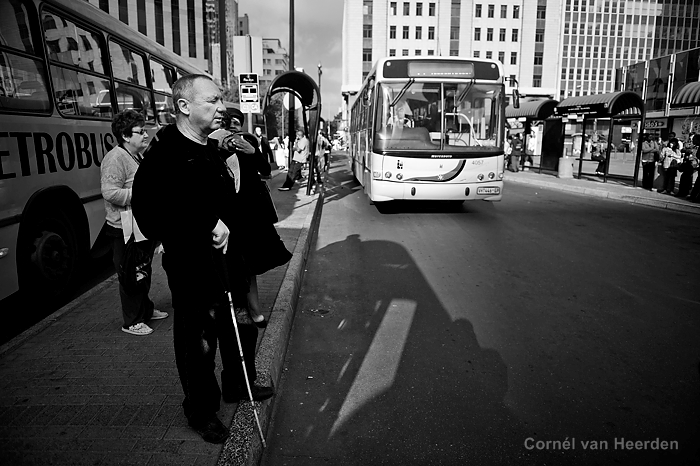
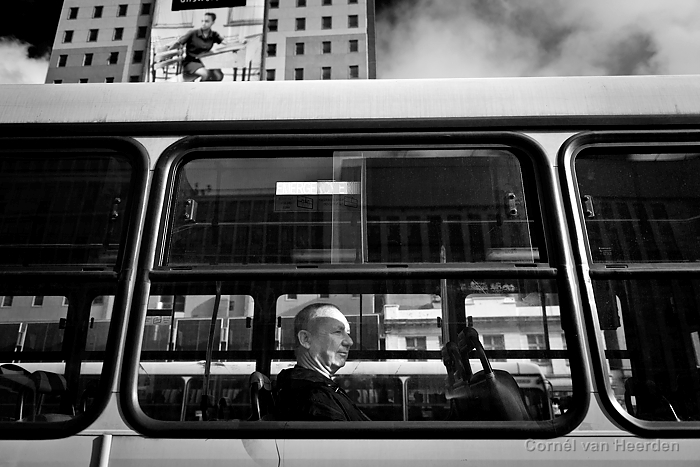
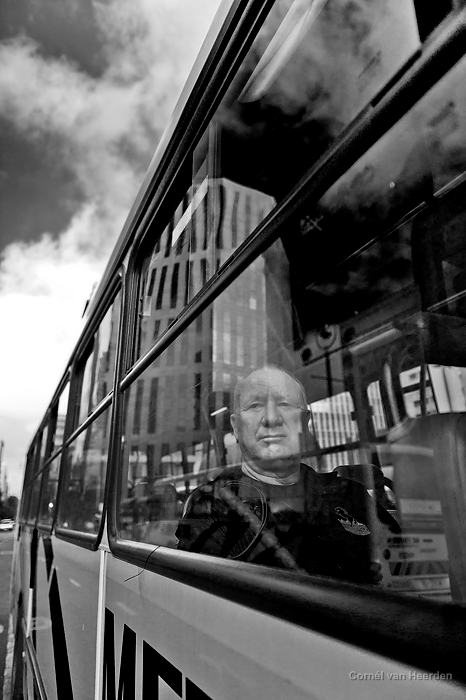
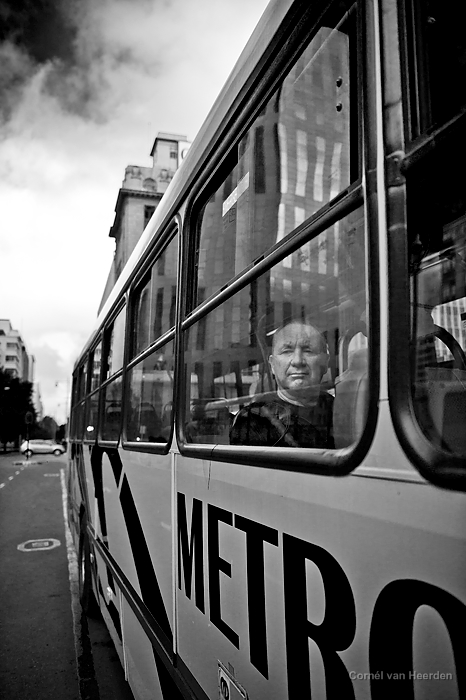
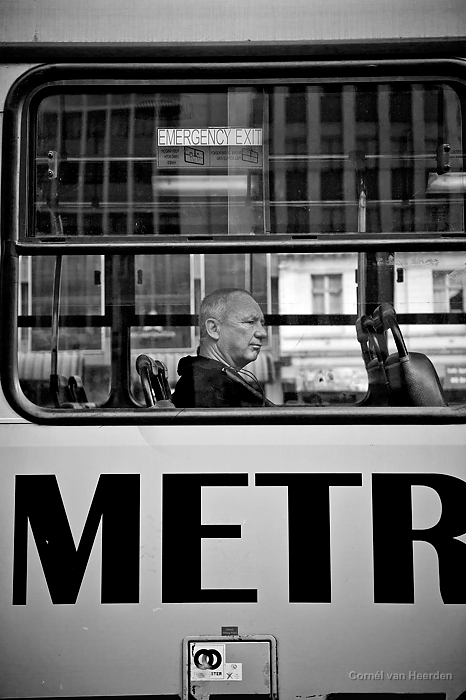
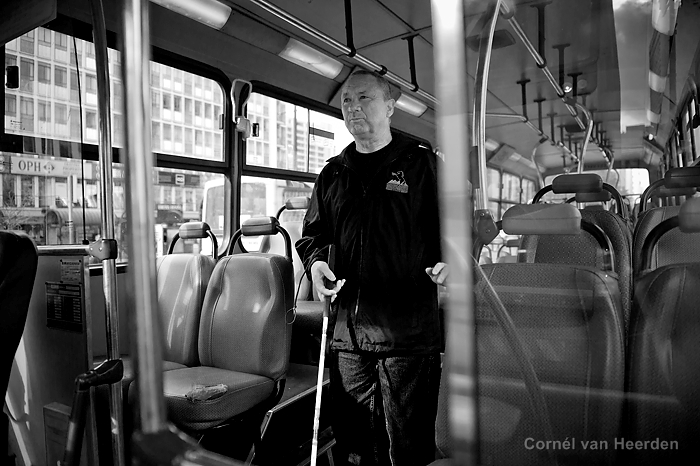
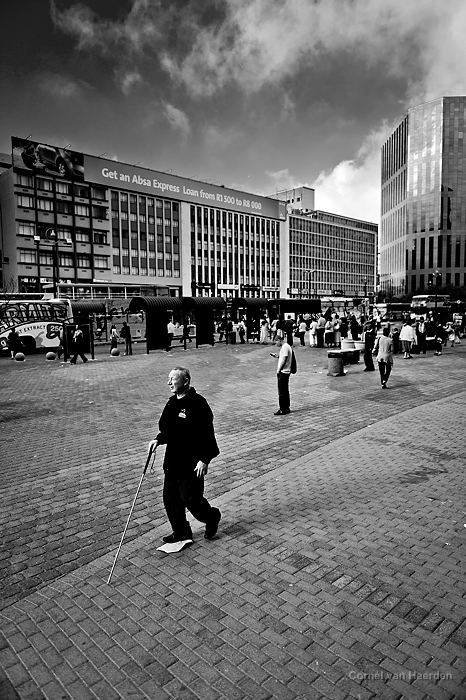
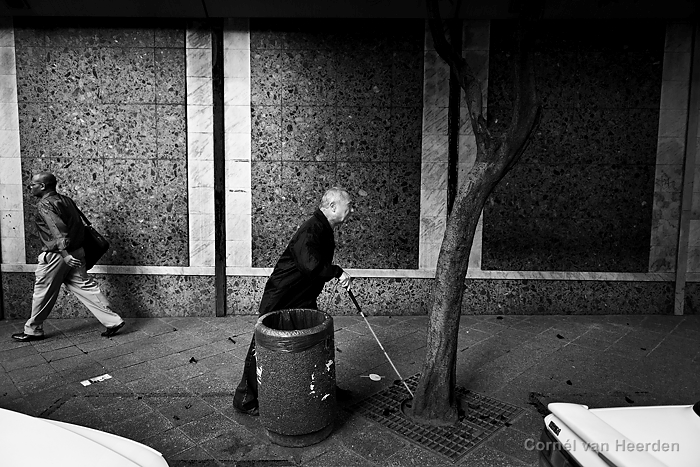
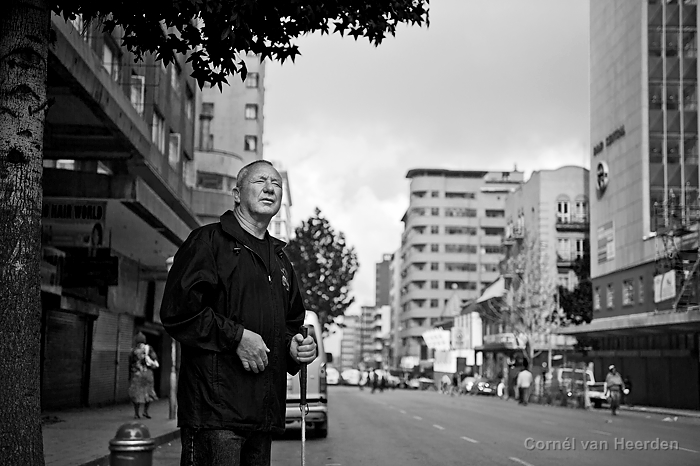
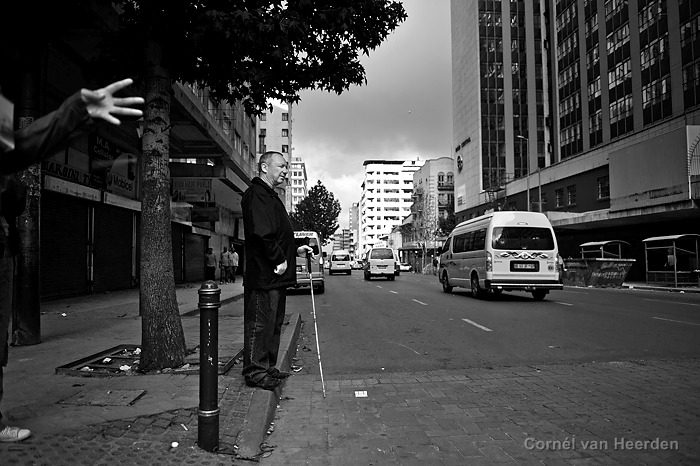
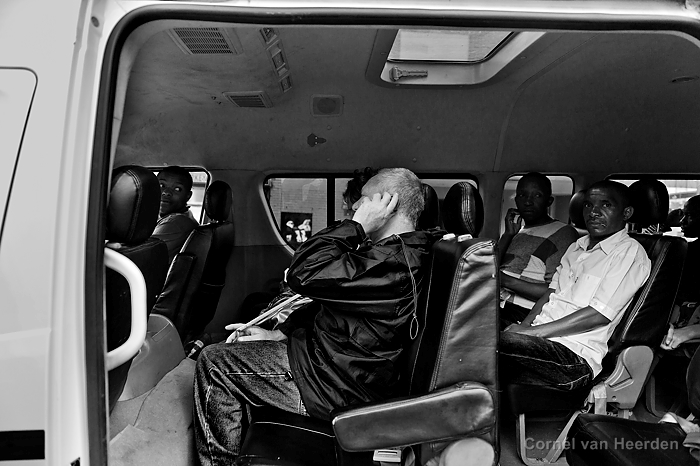
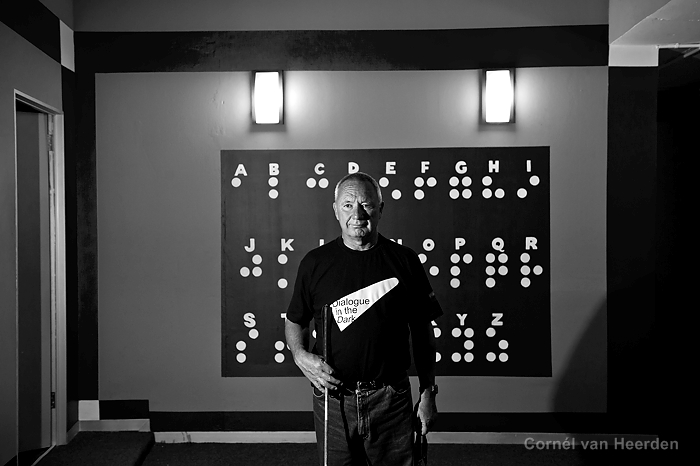
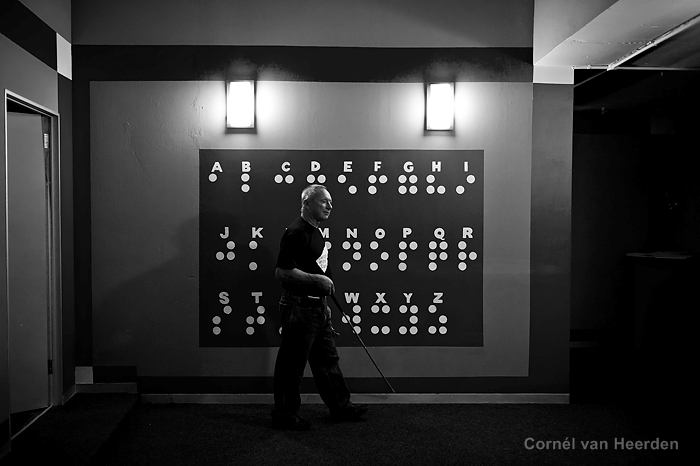
 Feature on Andre Manders, a blind person who works in Jozi CBD.

 Sunrise over Johannesburg.
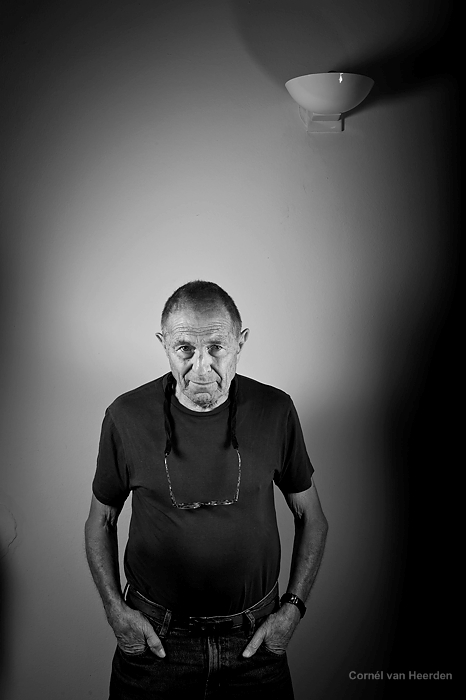
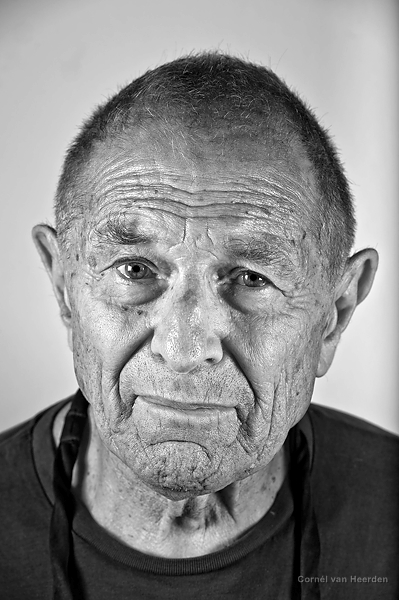
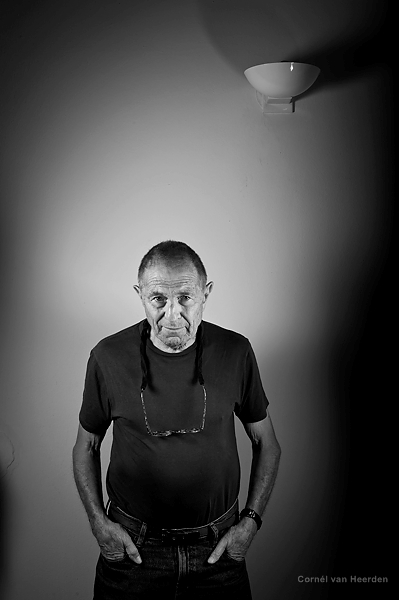
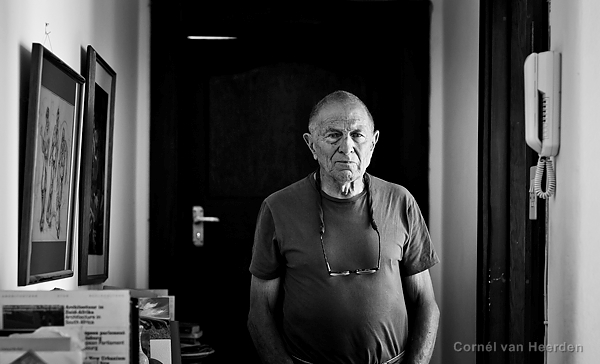
 David Goldblatt at his home.
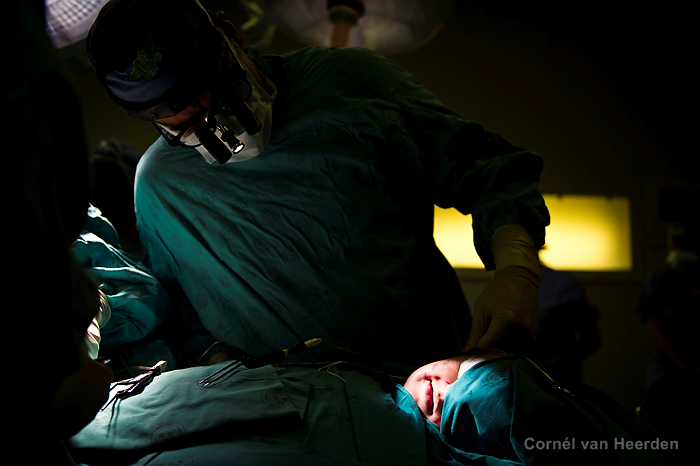
 Chris Rossouw, he received reanimation surgery. 
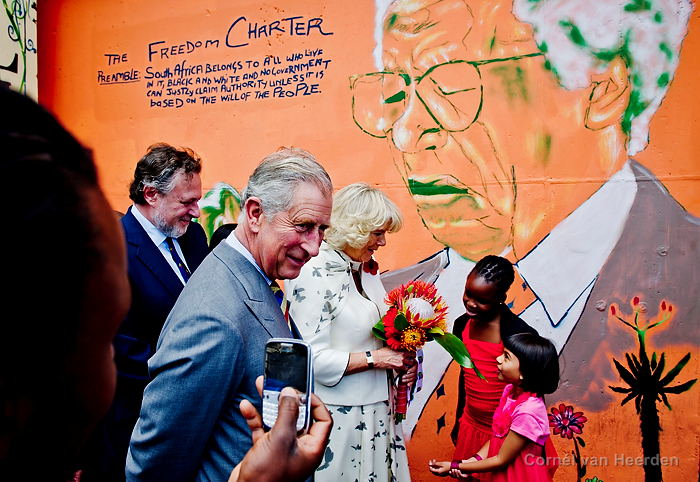
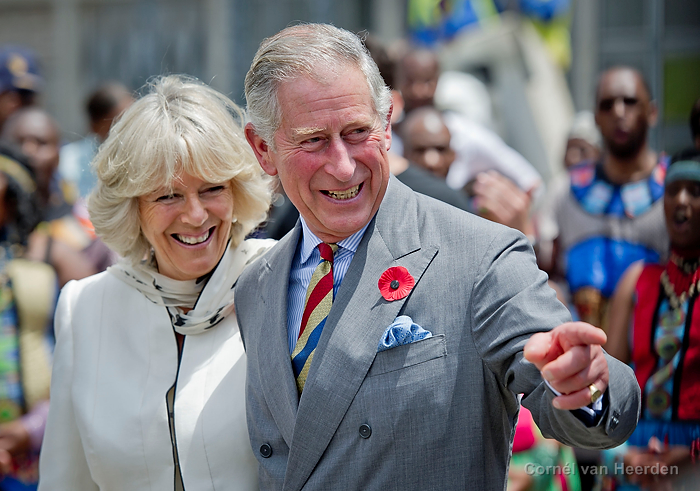
 Prince Charles and Camilla in Soweto.
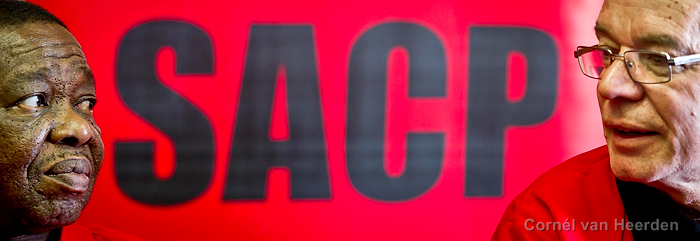
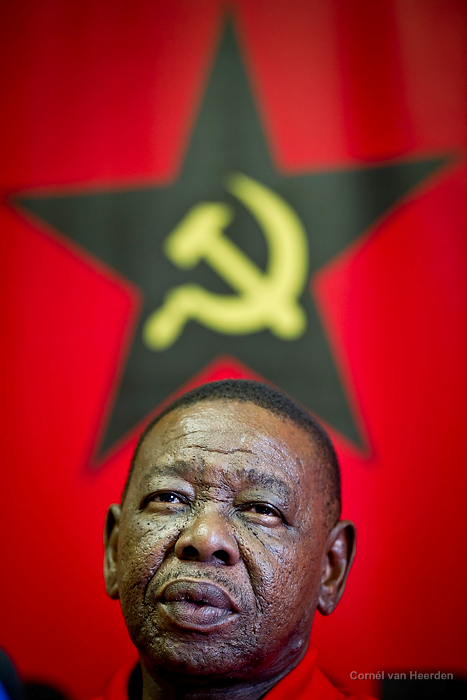
SACP Press Conference.
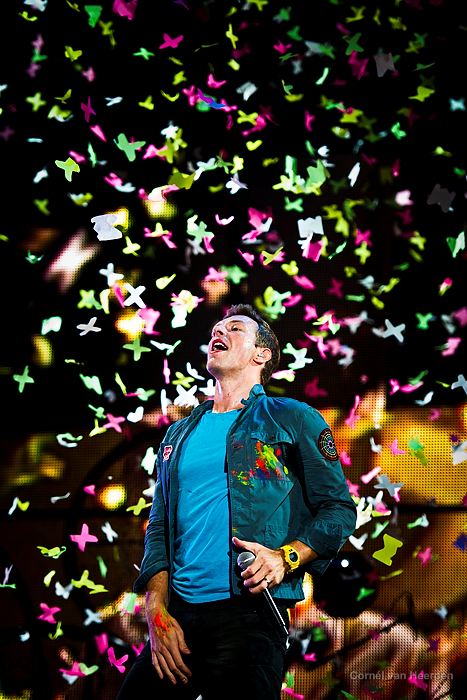
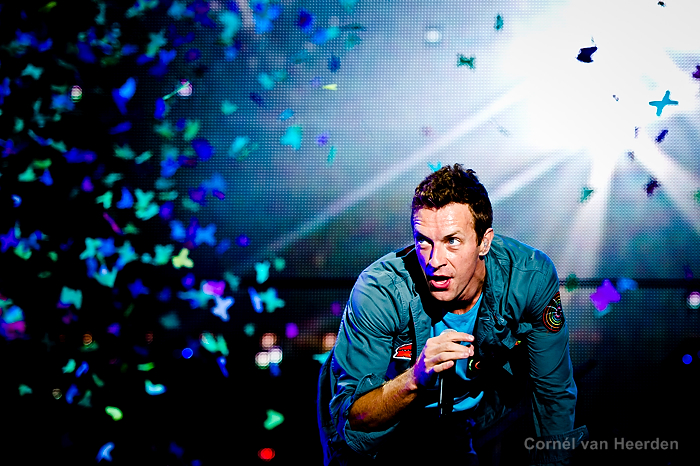
 Coldplay at FNB Soccer City in Soweto.
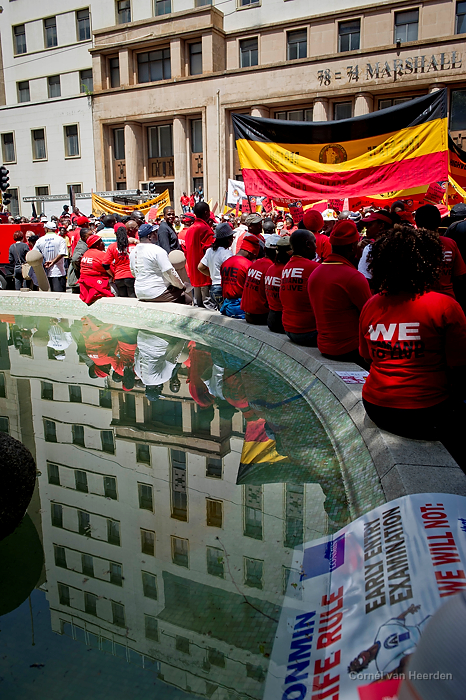
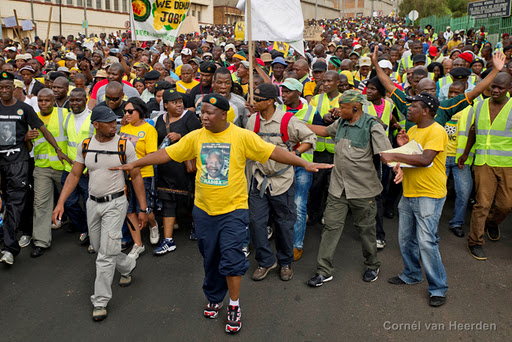
 National Union for Mine Workers’ Protest march in Johannesburg CBD.
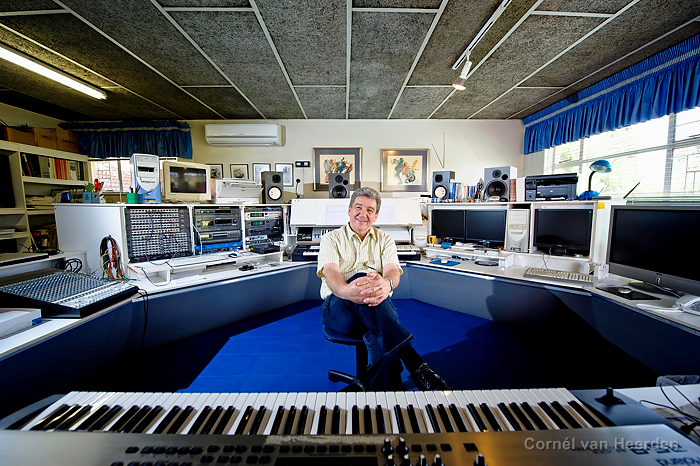
 Johan van Rensburg in his “Musiek Fabriek” studio.
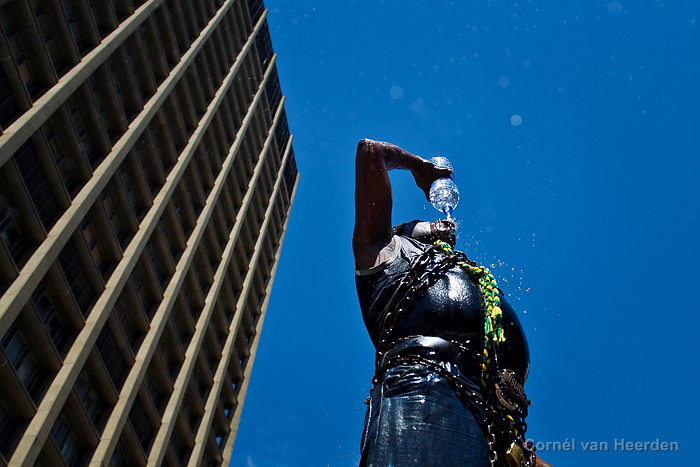
 A protester cools of during a protest action.
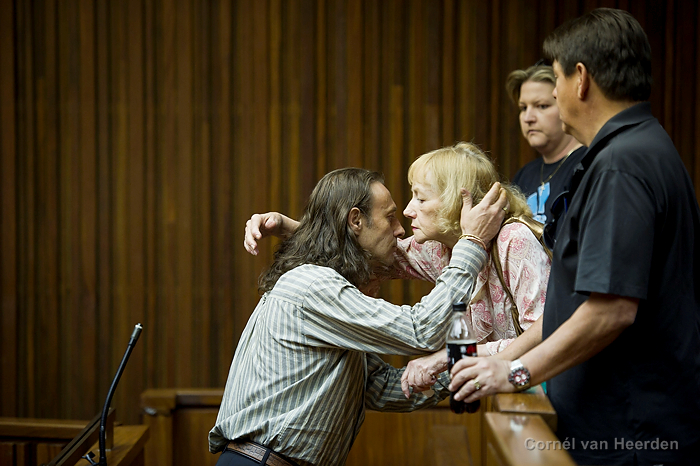
 Alan Jack Cohen admits to stabbing his wife 16 times. Sentenced to 12 years in prison.
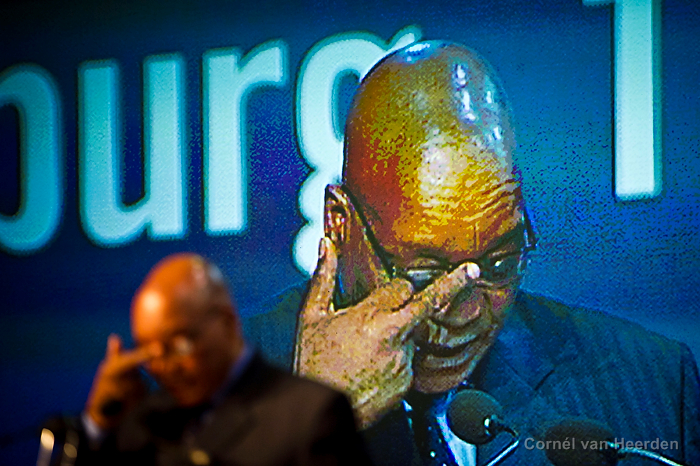
 South African President, Jacob Zuma.
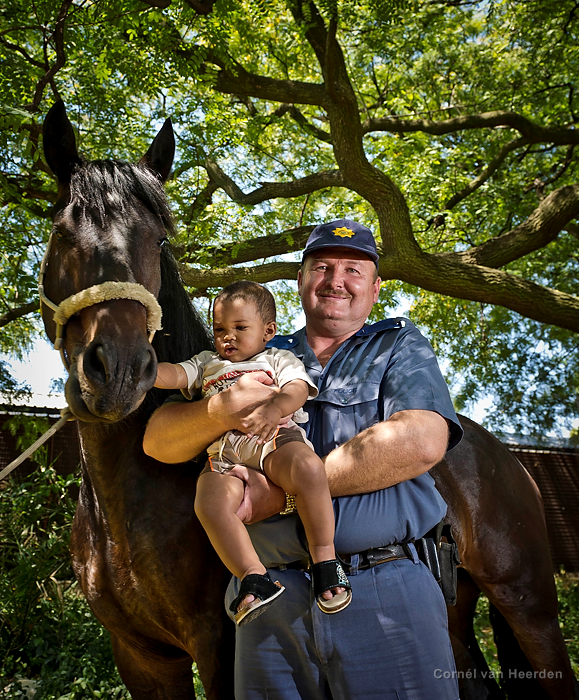
 Johan Fourie rescued Aldieno Captieux (7 months) from a swarm of bees.
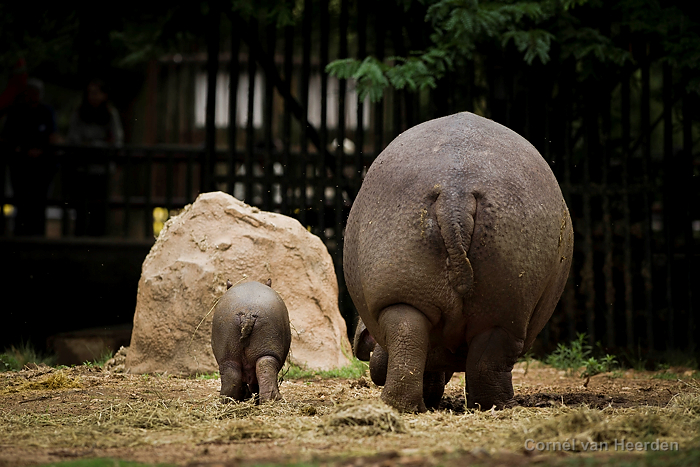
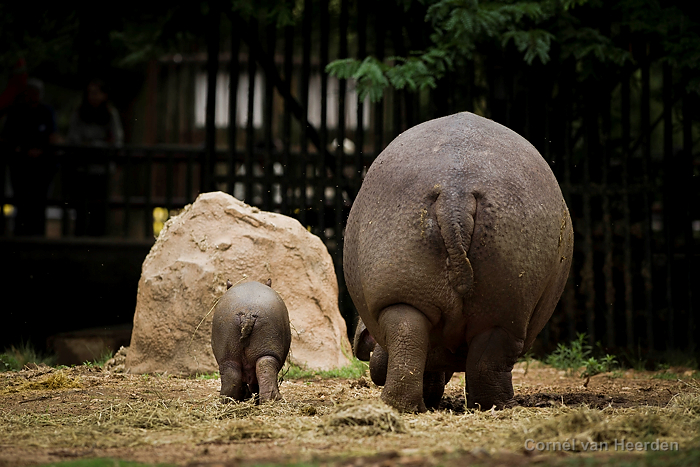
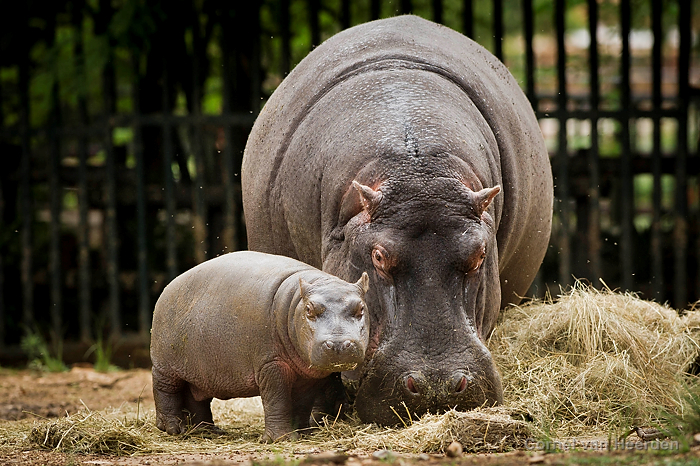
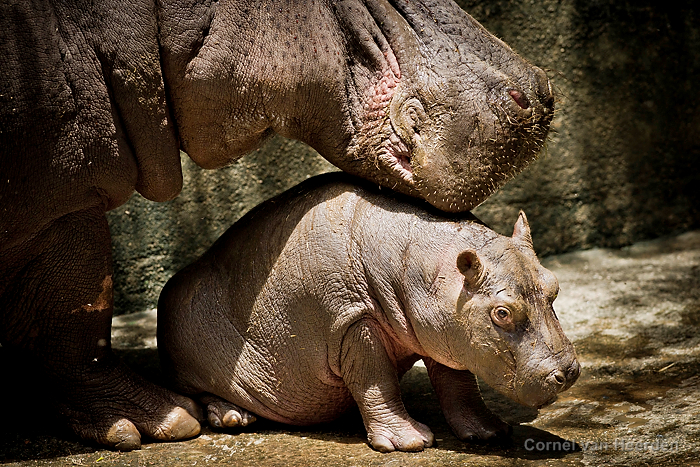
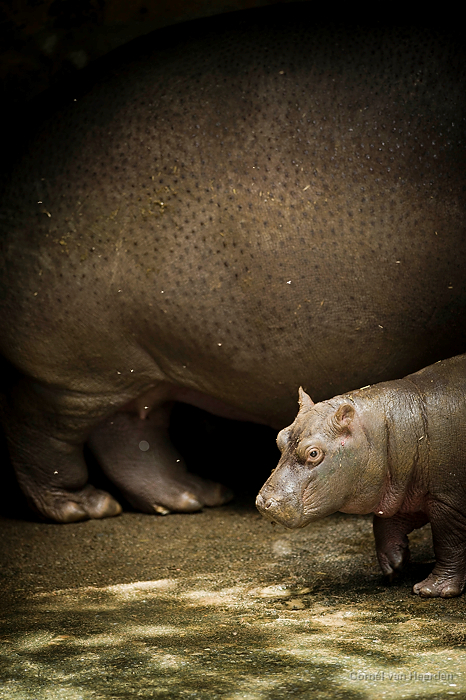
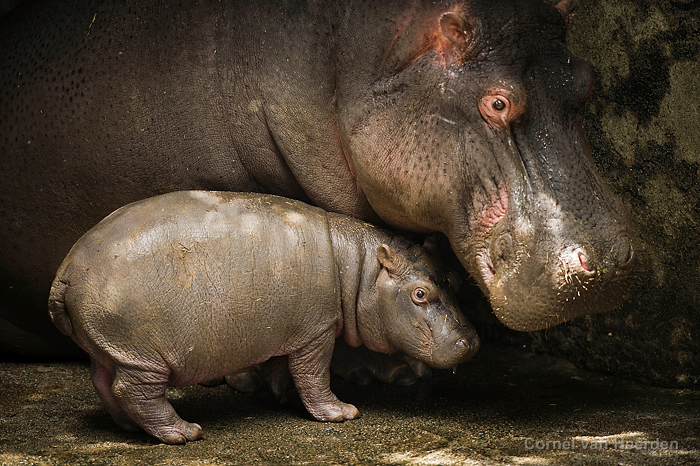
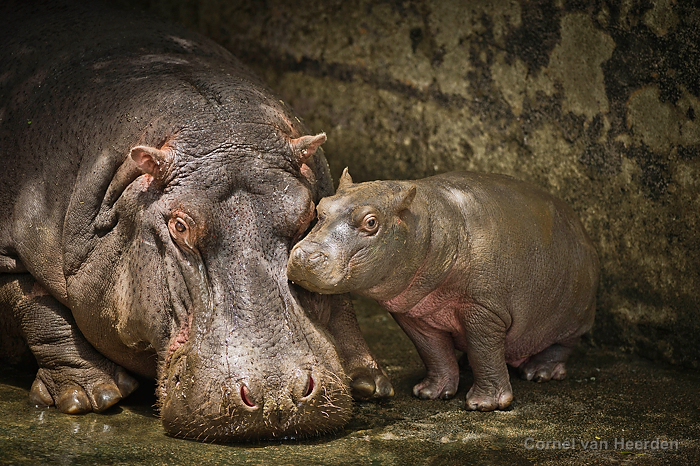
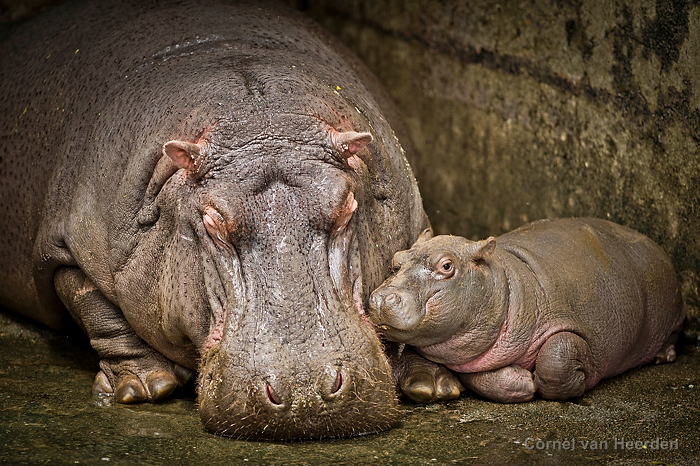
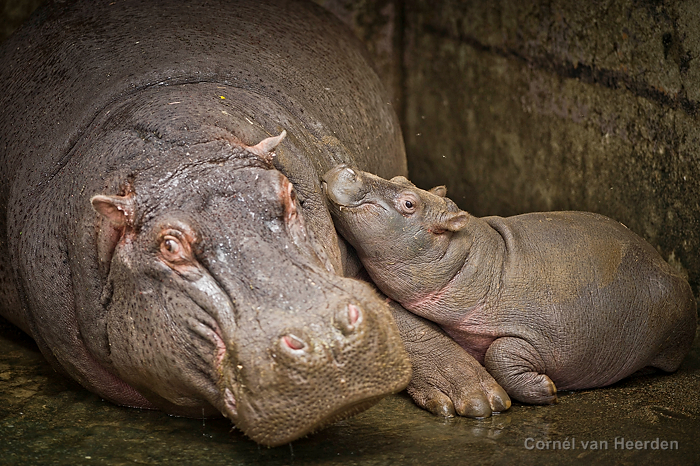
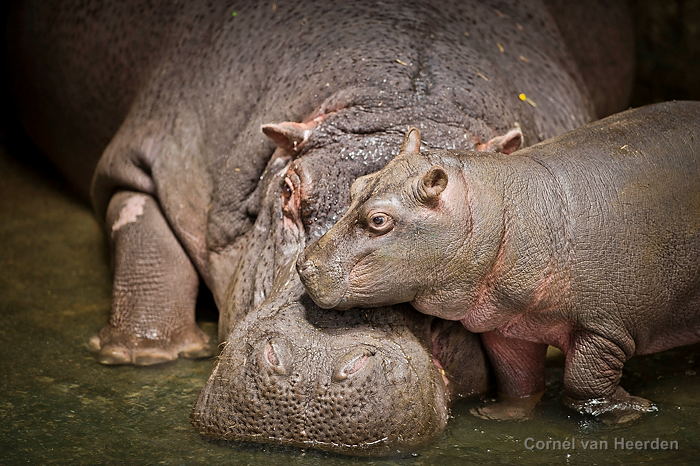
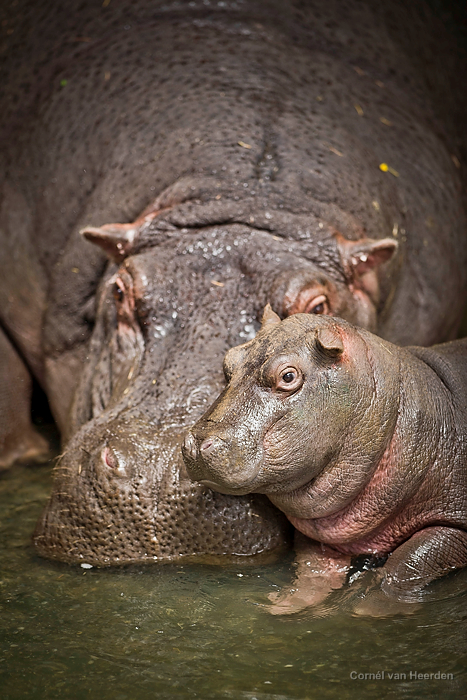
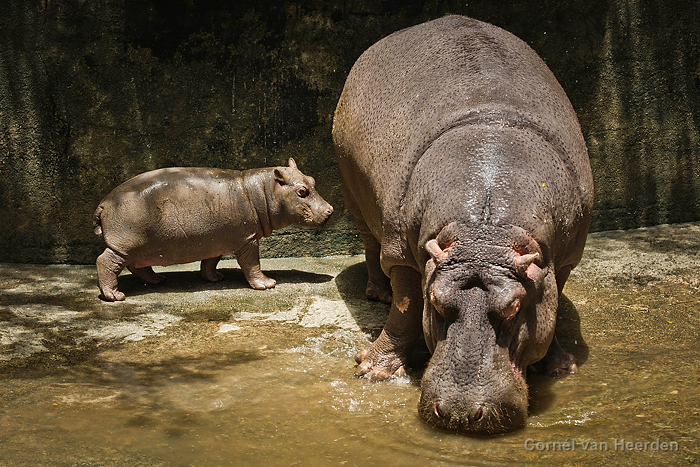
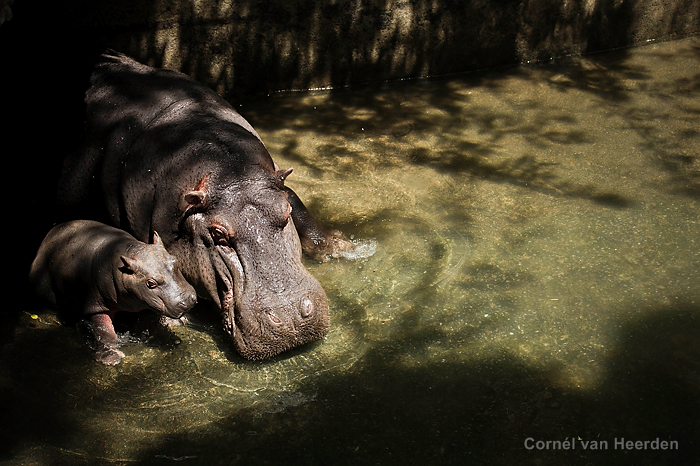
 Johannesburg Zoo welcomes a hippo baby.
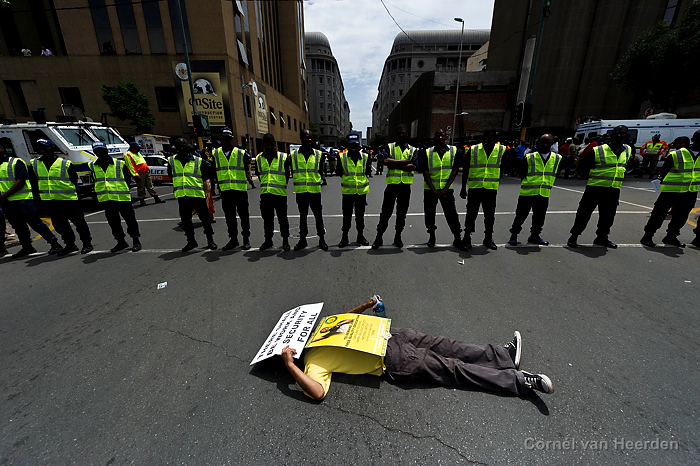
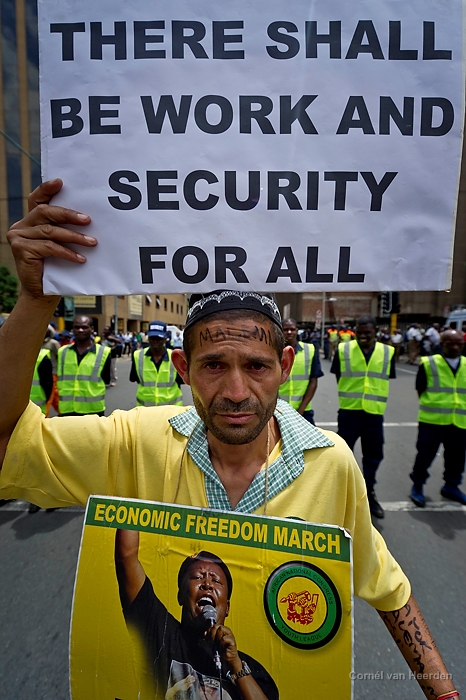
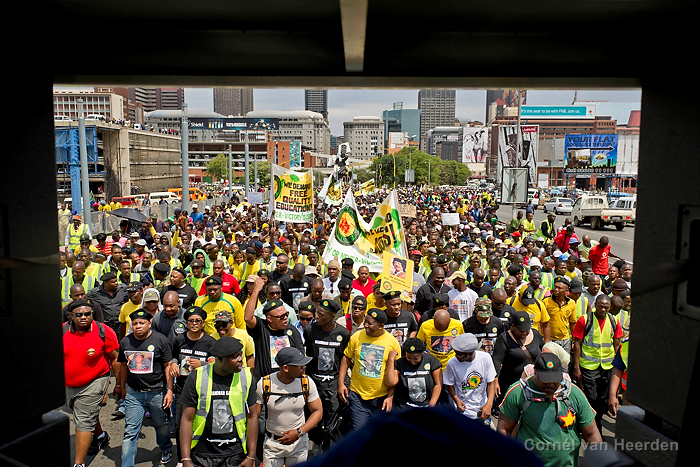
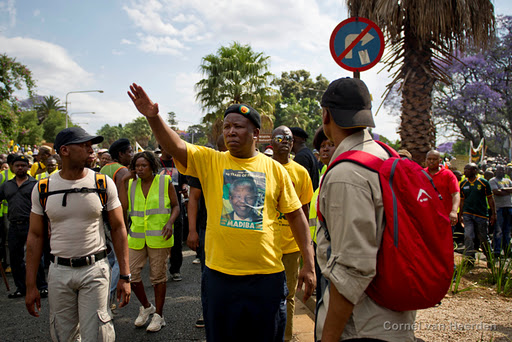
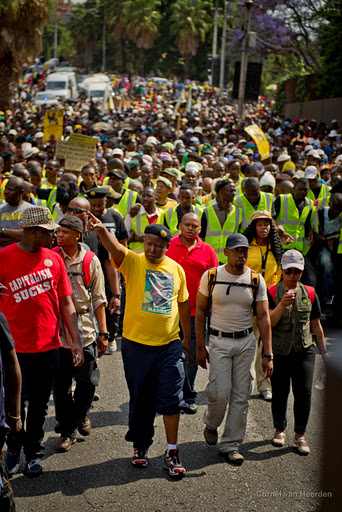
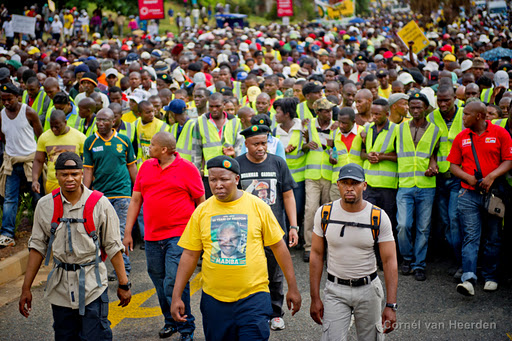
 Julius Malema marches in Johannesburg.
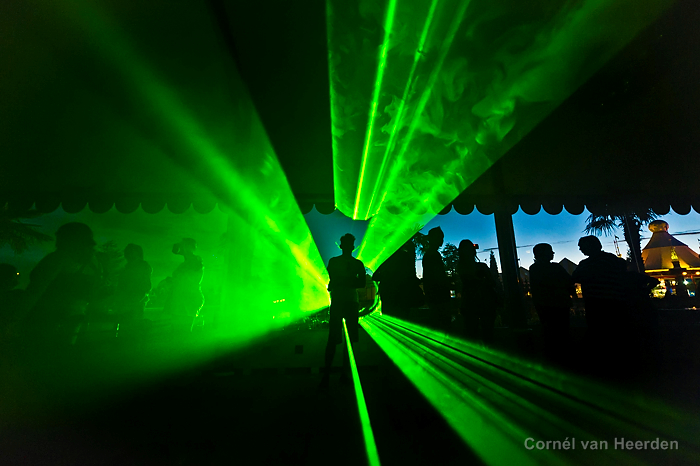
 Lasershow in Brakpan for New Years.
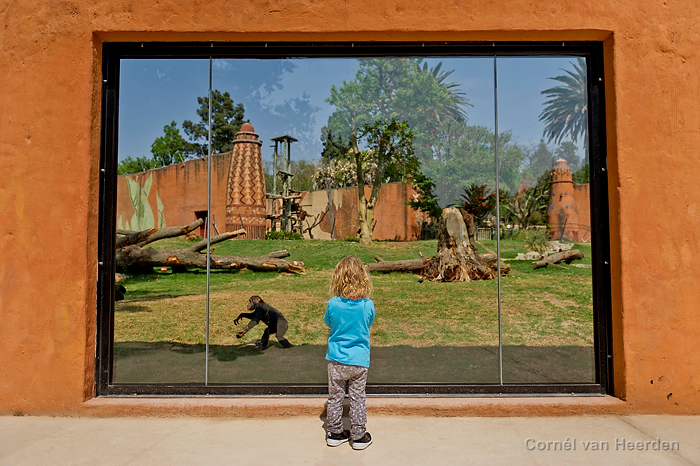
 Johannesburg Zoo’s new Chimp enclosure.
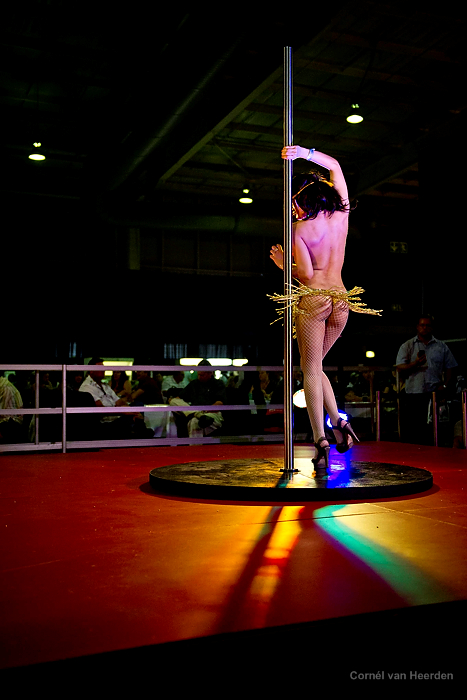
 Sexpo in Midrand.
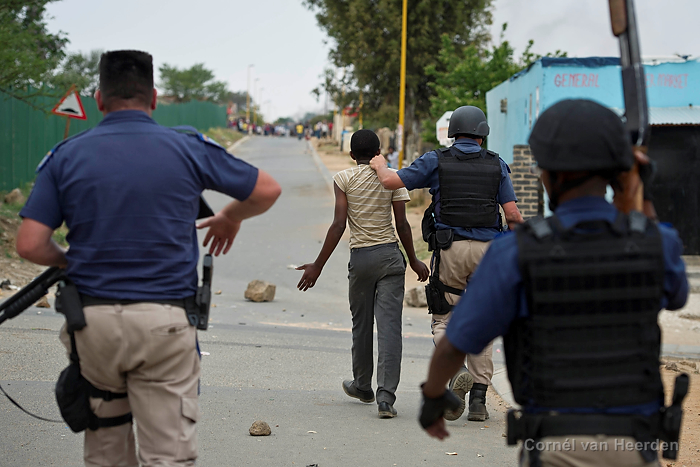
Service Delivery protests in Tembisa.
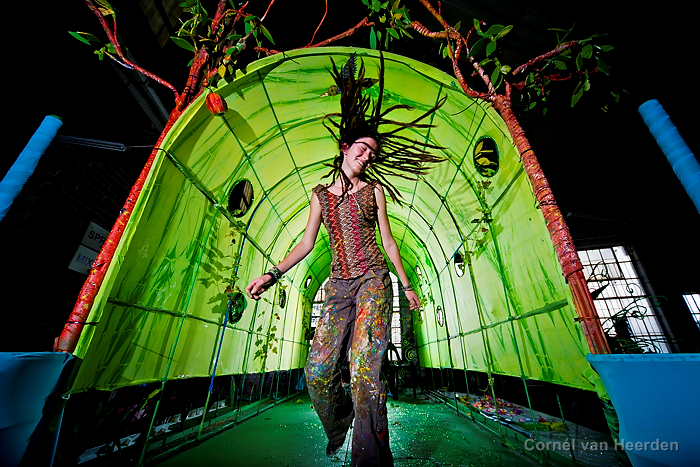
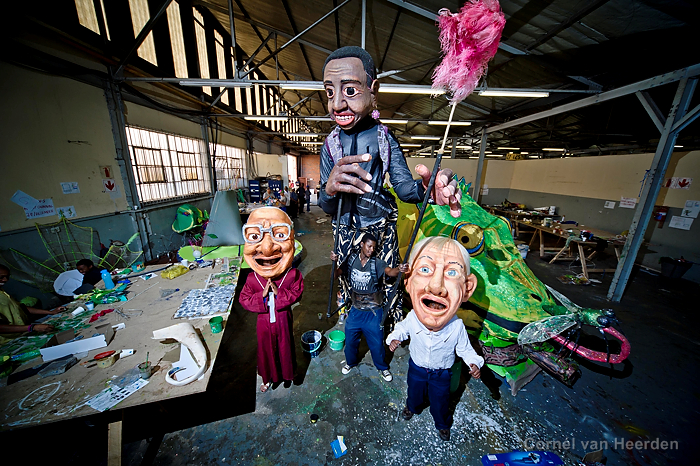
 Artists make ready for the Jozi Carnival.
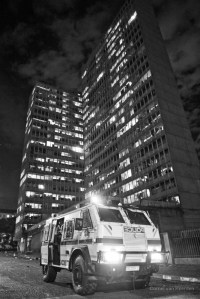
Into the New Year in Hillbrow

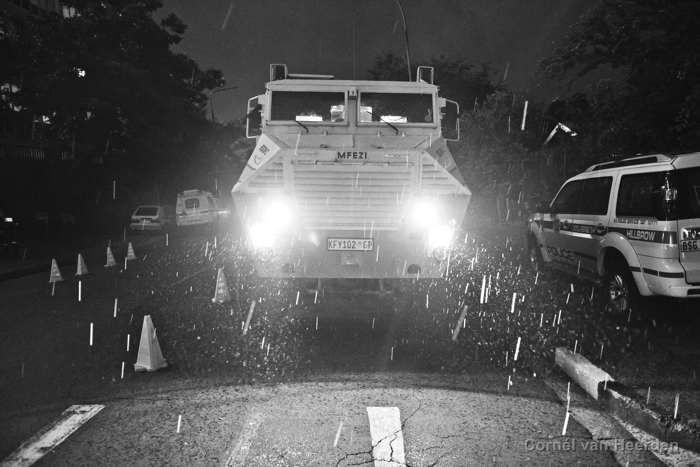
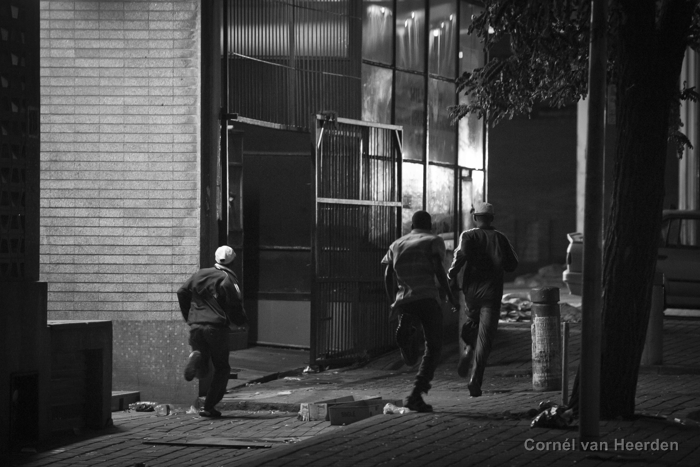
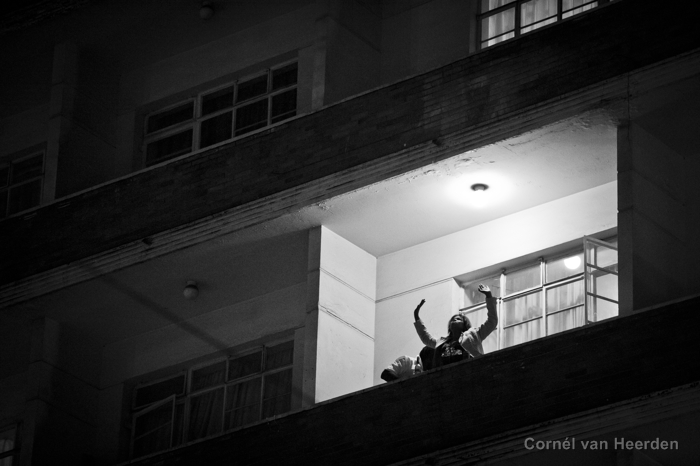
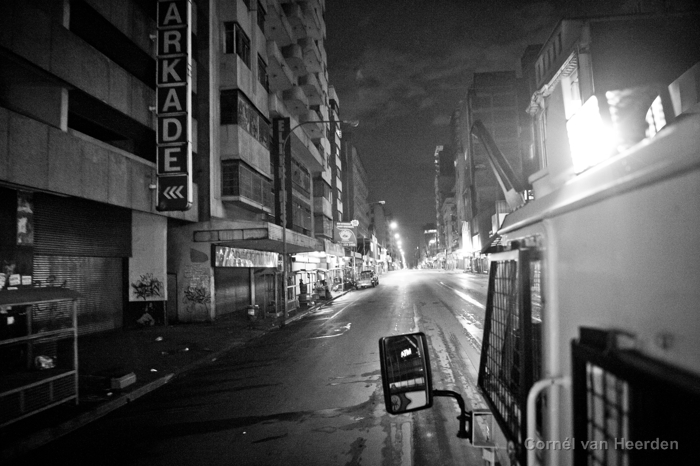
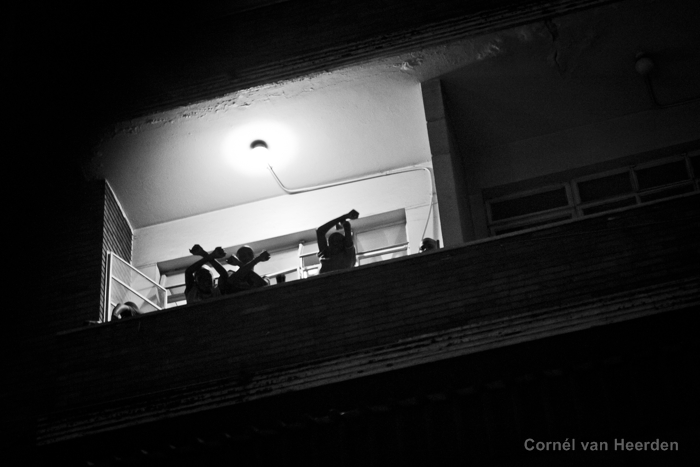
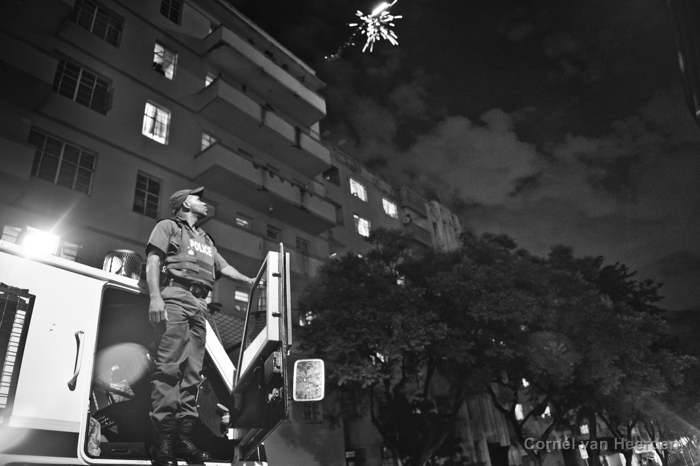
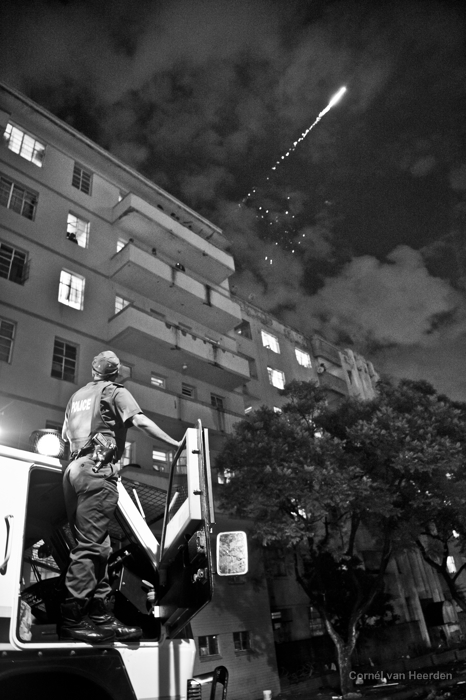
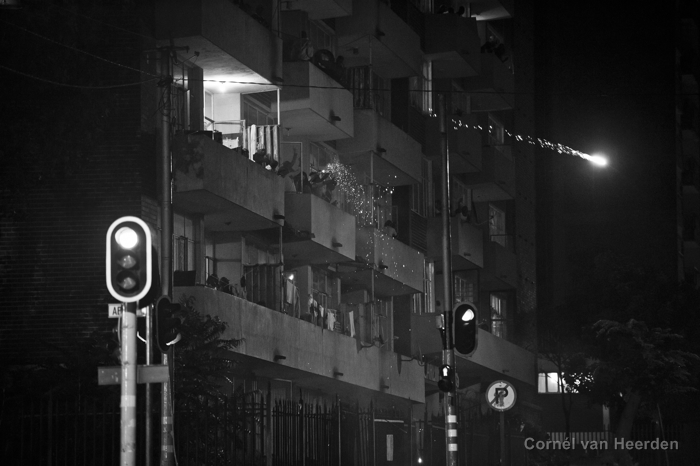
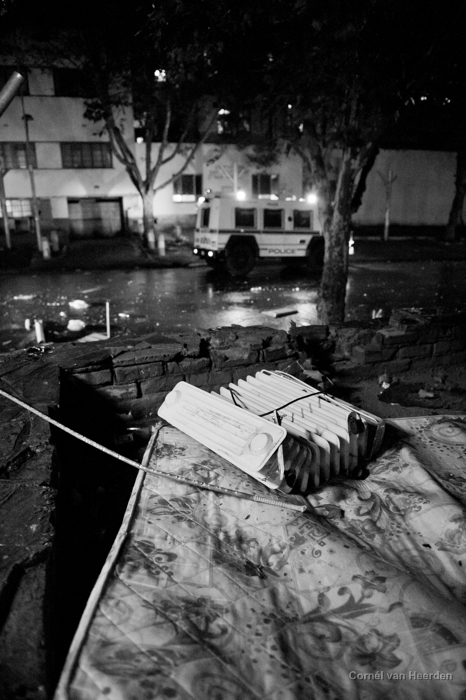
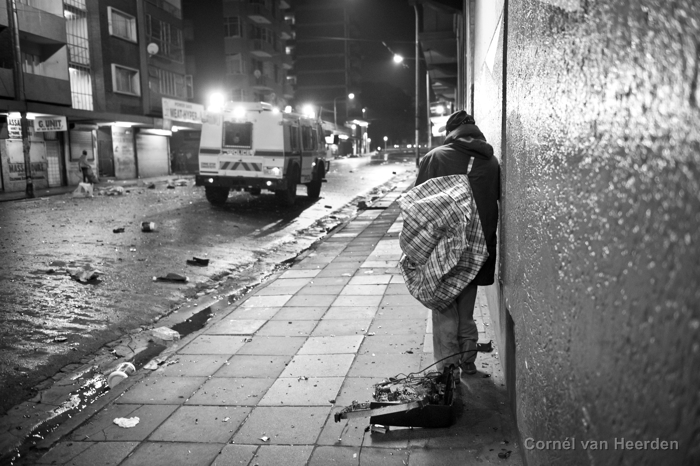
Hillbrow is viewed as one of Johannesburg’s  most dangerous suburbs. Combine that with alcohol and the parties that go hand in hand with New Years Eve and you have a very volatile situation. Therefore it is no surprise that the South African Police opt for the Nyala as transport during this time. The Nyala is an armoured personnel carrier.

Nelius and I picked up Nickolaus from the SABC after he finished doing his radio show on SAFM. We went for McDonalds – dinner of champions – and then through to the  Hillbrow Police Station. We arrived at about 8pm, unfortunately we just missed the first ride in, but midnight was still far, far away.

Standing around and talking to some of the cops, some expressed concern that we weren’t wearing bulletproof vests and helmets (I was wearing a helmet, because I borrowed a GoPro camera from a friend, so I was fine). We even went over to some Metro Police officers who were busy braaiing on the back of their truck and I jokingly asked how much for a boerie. They replied that they brought their own meat, because the food you buy in Hillbrow was unreliable and that the night is still long…
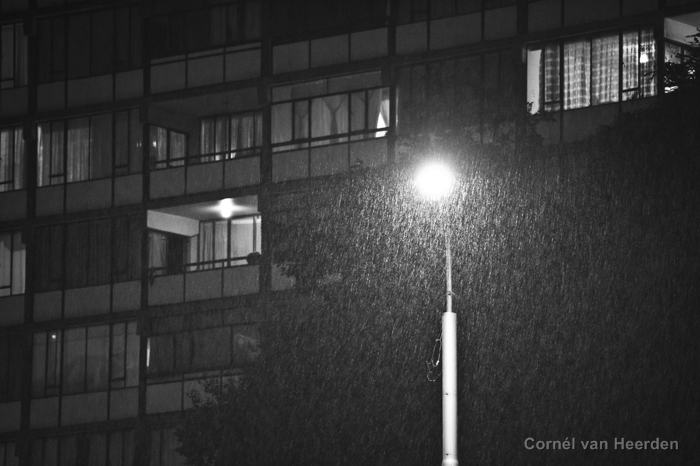
We were also talking about the weather and how beautiful night it had become… Barely half an hour later rain was pouring down, which caused my friends barring me of discussing the weather again that night.

It was during this quick downpour that Nickolaus, Nelius and I was fortunate to share a bus stop terminal with a Hillbrow resident who was busy sniffing some glue out of a carton container, right opposite the police station. This was just a harsh reminder of how different things were here.

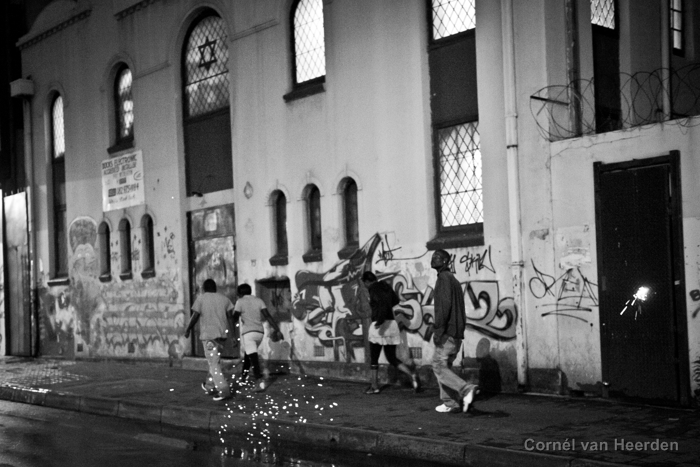
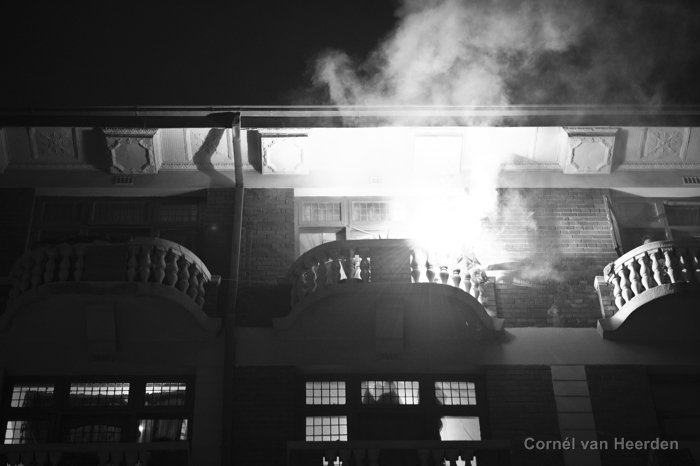
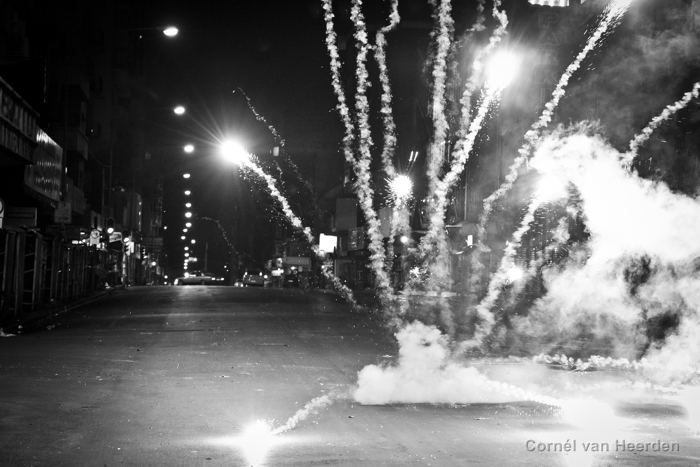
Our Nyala arrived 21h30-ish and got us very excited. By this time we’d heard a lot of fireworks go off. – I wondered if it would be easy to distinguish it from the sound of bullets.

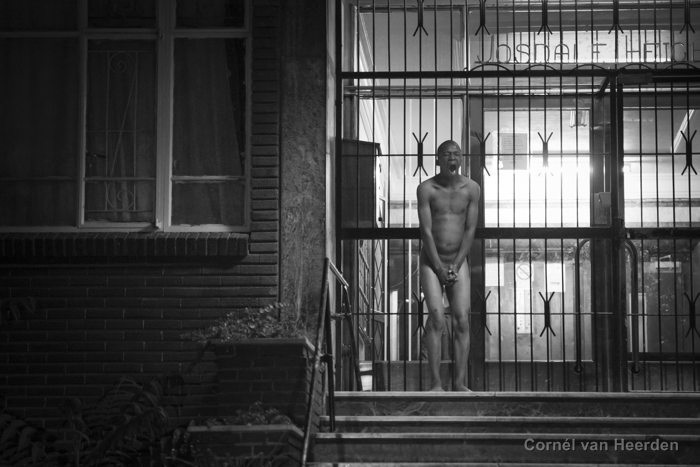
It was nearly 22h30 when we first set foot in Hillbrow. We drove past a random naked guy standing outside a block of flats. Unfortunately we couldn’t and didn’t stop there, so I couldn’t ask him what his story was, but it was just such a wonderfully weird welcome to Hillbrow.

We cruised around for an hour or so. When we got back the Emergency Medical Services (EMS) people, their Mfezi – also an armoured personnel carrier that is adapted for ambulance work – had a puncture and they were trying to fix it. This proved to be a rigorous task, because when we left at around 2 o’clock, they still were still trying to get the deflated wheel off.

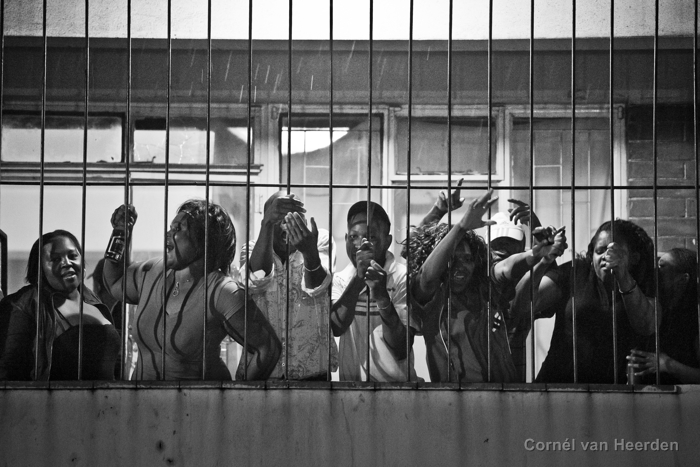
With half an hour to go to 2012, everything was relatively quiet with no violence reported and certainly no hostility against the cops or us.

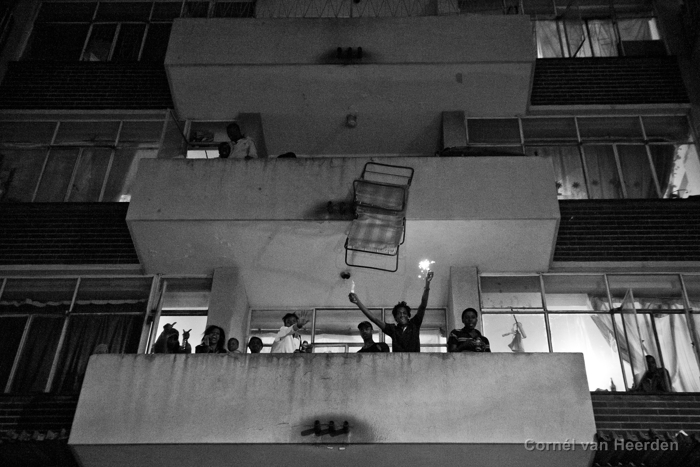
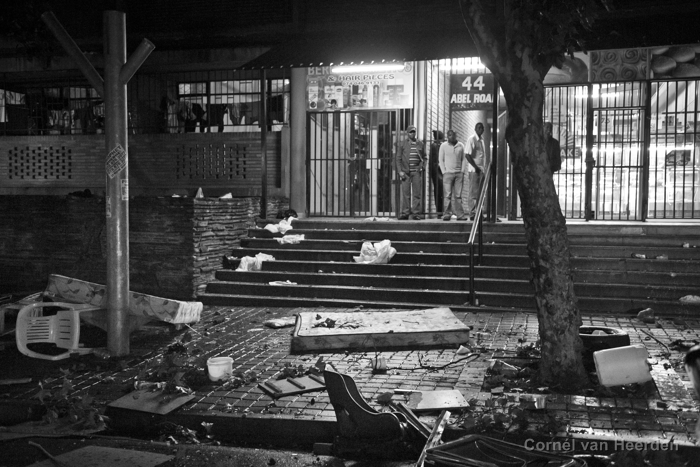
At exactly 24h00 we did a mini-countdown in the Nyala, wished each other a happy new year and then got back to work. Immediately we got some flying bottles directed at us. A bottle of beer hit the inside of the Nyala’s door and splashed me full of beer. It was then that the cops asked us to close the doors on both sides. It was a good thing, because we were peppered with glass bottles.

This lasted for about a half an hour. Then it went relatively quiet and either the parties moved inside, people passed out or they went to sleep.

All in all it was a quiet and uneventful evening. Still an awesome experience which I enjoyed.

Obviously we finished the night off by going to Catz Pajamas for a beer at just after two… Because our last beer, was drank last year.

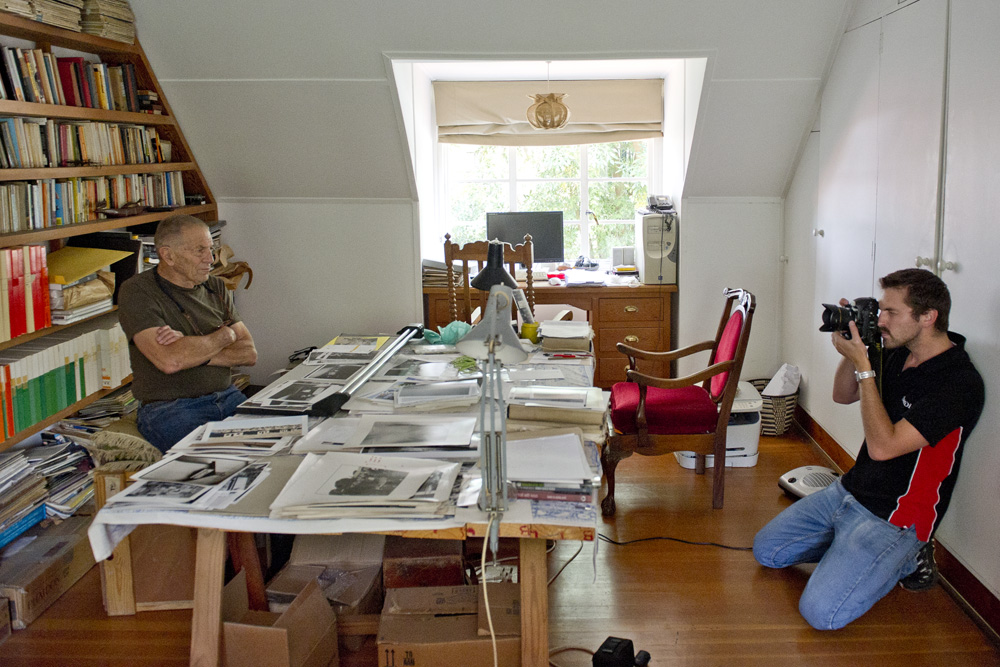
Mister David Goldblatt

To me there was only one thing better than photographing David Goldblatt and that was meeting him.
Mister Goldblatt, regarded by me and many others as the “Father of South African photography”, comes from Randfontein and went to school in Krugersdorp – where I also grew up and went to school. In Randfontein he worked in his father’s shop and started with photography in 1948. That gives him 63 years’ experience. Wow!
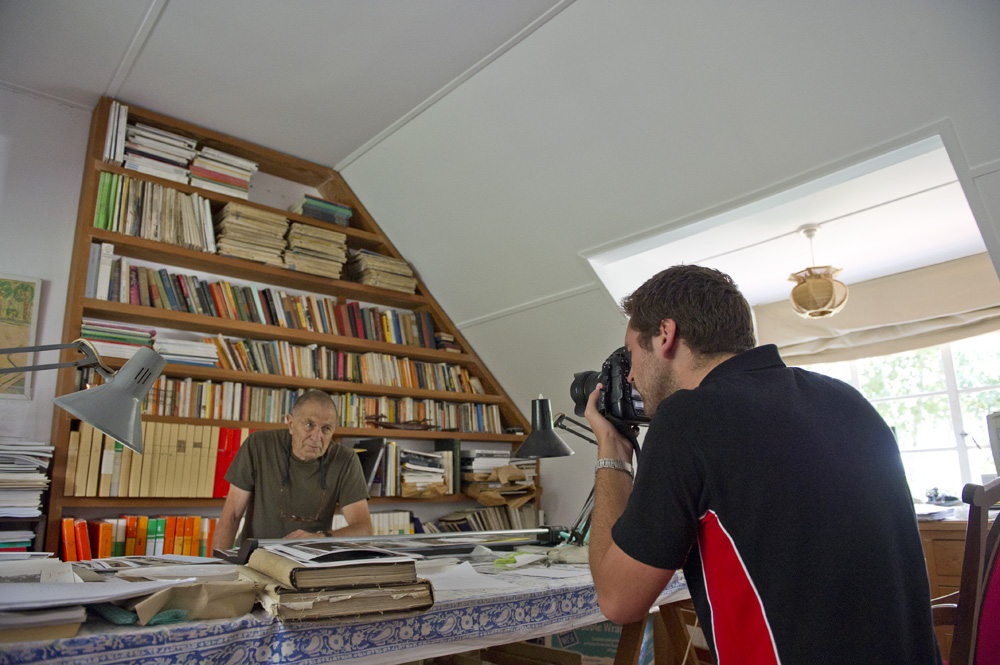
To photographers, it’s a very daunting task to photograph ‘one of your own’ – mainly because every photographer is different and our work is very visual. So you are very self-conscious and constantly get the feeling that you are being judged.
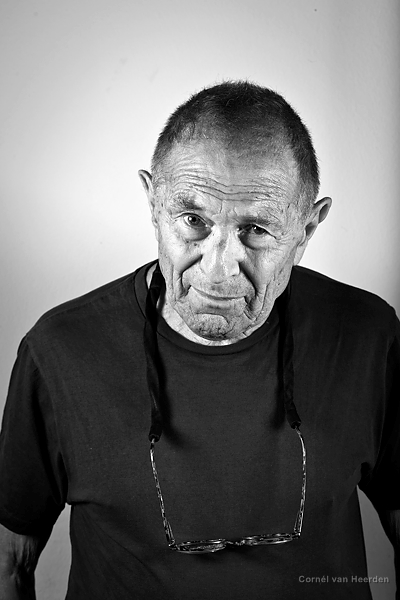
Because I respect and admire Mister Goldblatt so much, I said to myself that if I don’t come away with a ‘iconic image’ I would regard it as a failure and if I must be honest, I don’t think I achieved it and failed in creating an ‘iconic image’.
After the shoot we were busy packing up when Mister Goldblatt asked us if we wanted to sit. We started talking and just kept on talking. In the end we probably talked for as long as we were shooting. Politics. Religion. Afrikaners. Africans. Photography projects. Apartheid. Digital. South Africa. ANC. Protection of Information Bill. Censorship. Order of the Ikhamanga. And ultimately the future of South Africa.
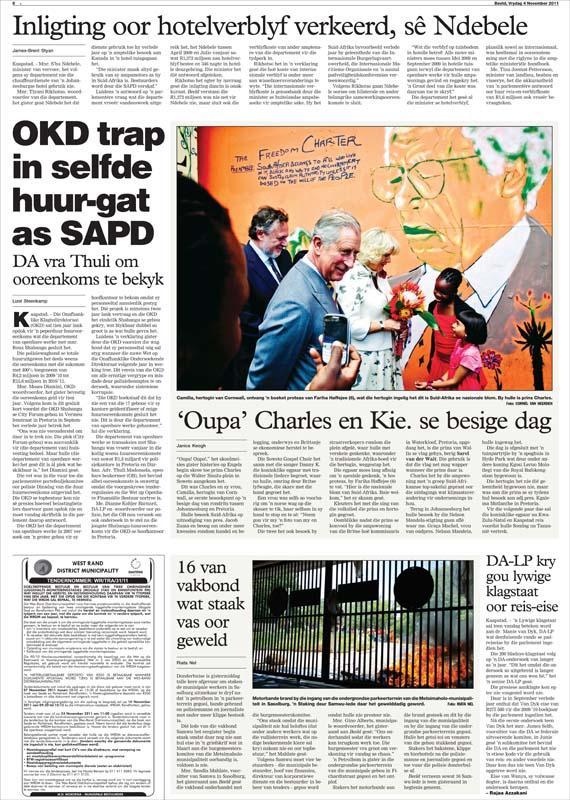
David Goldblatt’s letter to the President when he declined the Order of the Ikhamanga:
Dear Mr. President,

On March 29 2011 I was informed by the Chancellor of Orders that I had been awarded the Order of Ikhamanga Silver, which I accepted with gratitude and in humble awareness of the honour that had been bestowed on me. I was not able to attend the ceremony of presentation on April 27. However, I was informed that the award would be presented to me on April 27 2012.

I profoundly regret to inform you that I now decline the award. I do this for two reasons.

Firstly in protest against the Protection of State Information Bill that was passed in Parliament on Tuesday 23 November. The damage done to our democracy by the very passing of this Bill, and the damage that is likely to ensue should you sign it into law, has been emphatically and eloquently stated by others and I will not attempt to describe it here. Suffice to say that this action severely undermines our brave but fragile democracy and the rule of law.

Secondly, I decline the award in protest against what has been done to the spirit in which the award was created. I quote from the official history of our National Orders:

South Africahas taken many strides away from its past of exclusion and discrimination on the basis of sex, colour and creed. The country has been steadily moving forward in a direction that reasserts our humanity. In this march towards humanity, a new culture of human rights and a respect for the dignity of the human spirit have become characteristics of South Africa.

One of the symbolic moments of the exodus from the past was the raising of the new flag in 1994. This moment aptly affirmed the pride and dignity of an unfolding country and a celebration of humanity. Another was the unveiling of a new Coat of Arms on 27 April 2000 that embraced the collective historical essence of the people of the country. In so doing, a new aesthetic that takes consideration of Africa and her symbols became part of the new culture that informs a South African rebirth.


The new National Orders have been conceived in the spirit of that rebirth.

I submit Mr President that you, your Government and the party that passed this Bill are in contempt of that spirit. The Bill itself, the manner in which it was pushed through Parliament in the face of clear rejection by substantial numbers of people and respected organs of civil society and, if it is signed by you, the existence of such legislation in our law, are the very antithesis of the spirit in which our National Awards were conceived.

To accept the Order of Ikhamanga from you on April 27 would be to endorse your contempt. I refuse to do that and, very sadly, I decline the honour.

David Goldblatt

Behind the scenes photos by Nelius Rademan. He also assisted me with the shoot.

New baby hippo at Johannesburg Zoo

I love going to the zoo for zoo-stories. I must say I’m very proud of my newspaper using it on the frontpage as it’s one of those feelgood stories! So much for people saying Beeld only reports bad news.
Fellow photographer from the Times, Halden Krog and I stayed a couple hours extra, after everyone left, as we wanted to grap a nice pic of the young one yawning, but it was to no avail. He liked lounging around and sleeping, but not yawning. I got a couple of him yawning from the side, but not the shot. But here is the rest…

The story, by Pauli van Wyk, is here:
http://www.beeld.com/Suid-Afrika/Nuus/Baba-seekoei-net-ma-sn-20111125

Darkness, my old friend

“Hello darkness, my old friend,
I’ve come to talk with you again,
Daniëlla and I met André very early one Monday morning in Witpoortjie, Roodepoort. I remember I was still aching for coffee and bought some Lucozade as I knew I needed to be wide awake and since I didn’t eat that morning I needed every vitamin and mineral I could take in. You might say I’m not a morning person.
Little did I know how difficult this assignment would turn out to be… but immensely rewarding.
“People talking without speaking,
People hearing without listening,
People writing songs that voices never share 
And no one dared
 
Disturb the sound of silence.
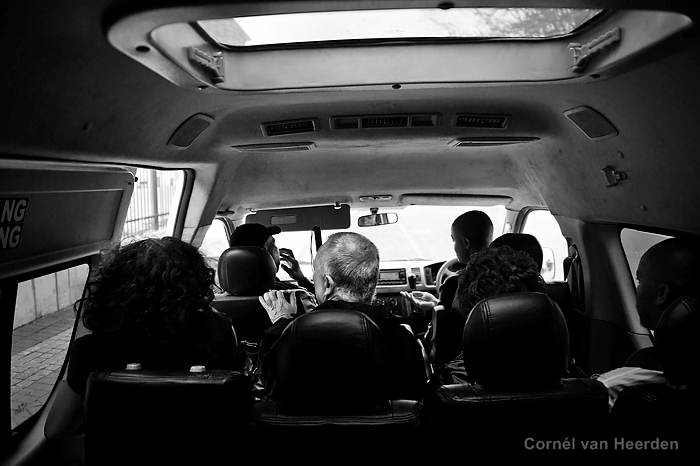
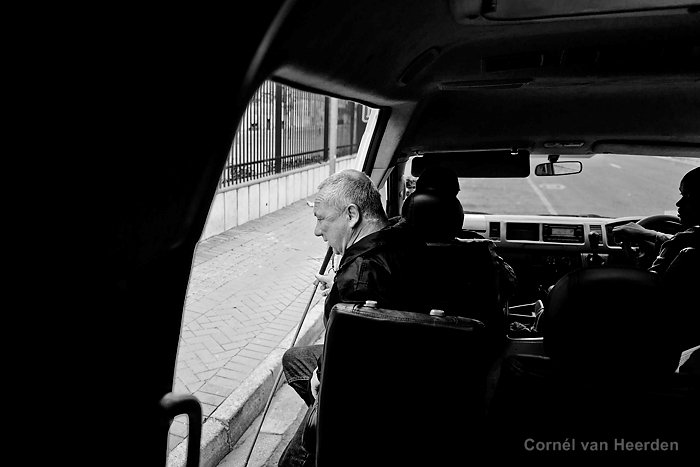
On this assignment we got on a bus with André, travelled around 30km’s to Gandhi Square, walked through the CBD to another point where we got in a taxi, who then took us to Newtownwhere Dialogue in the Dark is. It was difficult for André to navigate through the CBD as he explains in the story. I felt I needed to illustrate the difficulty involved in this ‘feat’ that is his daily life. Its because of this that I included a pic of where he walked into a dustbin that was standing on the sidewalk – not out of disrespect, but with great respect.
“In restless dreams I walked alone 
Narrow streets of cobblestone,”
After we did the story, Daniëlla and I walked back to the Bree-taxi rank in Johannesburg CBD, so that we could take a taxi back to our car. Being the only white people in thousands of black commuters, was somewhat intimidating, but they were very friendly and it turned out as a very liberating experience.
Here is Daniella’s story, hope you enjoy it.
(I used Google Translate, so excuse some of the grammar)

-Cornel van Heerden

————————————————————————

Seeing in the dark
Daniëlla du Plooy
It’s hardly light, but the Monday morning traffic on Ontdekkers, one of the busiest routes city is already noisy.

Andre Manders, the cars swept past, not seeing, nor the drentelende school children on the pavement not. But he could hear it.

The first bus just before 6:00 roars around the corner at the stop in Witpoortjie outside Krugersdorp.

“It’s not mine,” says Andre. “It was the first bus, I caught the second bus.”

The 50-year-old waiting to greet the people around him friendly and make small talk. He already knows many of the people who Metrobus 438-day city take to Gandhi Square.

The second bus stop, and people’s voices began to move. Andre walked together, using only his guide rod – a pink, not white – to the door of the bus way. He climbed the four steps and greeted the manager.

Andre paid with a slice of that money and pre-loaded on the bus are scanned and then shuffled feeling back. The bus is not full, and it’s easy to find a seat to be found.

He has been blind since birth, said Andre.

“My mother had jaundice when she was pregnant with me, and my retinas were damaged. I can see nothing. “

At that time there was only one nationwide school for the blind, and he had all six year old boy than to Worcester, where he also wrote matric.

He wanted to be a physiotherapist – a course which was not yet in South Africa is presented.But in London to study, was not a possibility. “My father worked on the railways and it just was not financially viable.”

Andre went to Pretoria, where he studied psychology through Unisa – just towards the end of his second year to hear the blind are not allowed to practice it. As it distance learning, his staff did not realize he was blind.

“It was then said that we can not see, can not be blind to read body language and that it is important for this profession.”

He thought a while back still. “So far, this plan also the court.”

This rule has been amended since the blind’s other senses and intuition often better than that of wise.

“I went on to include the switchboard of the department of information work,” he said when the bus stop and got the next group. Andre sits along the path, turning his head to the block – school bags of children and large bags found easily.

It’s nice to ride bus, he said, but there are also challenges. People can be rude.

“I have often climbed, and when I asked the driver where he drove, he asked irritably:” Can not you read? ‘”

He gave a laugh.

“And then I have to say that the character unfortunately is not in Braille.”

It is not at first sight obvious that Andre is not blind. He was not wearing sunglasses and his staff are pink rather than white. A conscious choice, although he could not distinguish colors. “I do not like stereotypes.”

He shook his head. “If you were to ask someone a picture of a blind man to say, it is usually someone with a stick and glasses. Maybe a dog. But we are not all the same – all we have in common is that we can not see. We do the same work and not have the same hobbies. “

Andre does have many hobbies: “Especially gardening, and cooking. I make delicious food. “

The bus drove through Johannesburg. Outside the City Press has become the flowering jacarandas.

How he makes his garden as the plants can not see?

“I can feel the plants, smell, and know. I can match textures, and different herbs planted together. “

He is an active sportsman – one of the reasons why he never had a guide dog had.

“It would not be fair to the animal. Pretoria was my tiny apartment. I regularly go out on weekends, and it is too difficult for an animal with them. “
People often ask if he is not bitter because he is not blind, or he did not count life owes him something.

“And yet it is ironically exactly my disability my many wonderful opportunities given …”

Andre was once an athlete and to sprints, high jump and goal ball, a Sport with ball for the blind, participated. He was in Spainto athletic participation and Germanyfor goal ball.
He was also a member of the South African cricket team for the blind, who in 1999 at the World Cup for the blind in India participated.

“I would not all necessarily have experience as I could see.”

The bus drove past the University of Johannesburg in AucklandPark and then turn on the Nelson Mandela Bridge and the CBD’s rate. “I’m always more or less exactly where we are.After a couple of times bus drove to know a person but the stops, and I know when the bus turned and how long it will drive every street. “

He often cast in the bus, sometimes not. “People act differently. Some are scared, some scared, some are curious. “

For sighted people aware of the life world of the blind, was something he did in his position as liaison officer with the South African National Council for the Blind, a position he kept until four months ago held. It was there where he had heard of Dialogue in the Dark in South Africa will be presented. This program offers a unique experience where roles are reversed and the blind guides for those who can see. It is now for the first time in Africa, the SciBono Centre in Johannesburghosted. Andre has applied for the post of chief guide, and before the opening helped other blind as guides to lead.

“We are now near Gandhi Square,” he said when the bus twice in quick succession left. He pressed a button on his armhorlosie and a monotone voice, like a GPS, beep, “Half. Past.Seven. “

The people jumped up, presses to get to the bus to arrive. It’s peak.

Andre waited until last, get off. Buses drive back and forth over. The air is filled with the smell of exhaust, coffee from McDonald’s on the corner and spices street vendors peddling.

Some people looked curiously at the man with the stick that feels its way from the bus takes. He waited until it was quiet and then walked across the street.

He was on his way to Jeppestraat, where he was a taxi will take the last few miles into Newtownto go. This is where the center is SciBono.

This piece of the journey is difficult, he says, because the inner city seems never the same. The informal stalls every day at a different location. Human waste on the sidewalks. Bins fallen, not just pick up.

With the stick he could find his way, but it does not protect his body. “This is somewhere for a plate which I head a few times when bolt hit,” he said.

And a month ago there was one day suddenly a hole in the road at which people could not warn.”I was inside the case, hurt. People had me help out, “he said. “But what, but it happens that one can do.”

He stopped at a traffic light waiting for it to be green. “In this regard, the movement to make my way is actually easier. I can listen when driving cars and buses and stuff, I know whenever I can walk. “

At the corner of Jeppe he stood on the edge of the pavement and raised his hand – five fingers down to show he wants the street. A few taxis raced by.

Finally a stop a few feet further down the road. Andre walked to the door, ask the driver will stop at Newtownand then climb.

His fellow passengers save eight minutes – two to talk about work and most other types of music listening on their mobile phones. Andre took as long as his money, to feel the coins and count down R8.

He spoke a few words with the Zulu driver. Andre the language almost fluently when he learned to speak for a while in Newcastle worked at Eskom. “I jogged with my co-workers and so when they learned Zulu.”

The taxi stopped and got out Andre. There are fine stone on the pavement and he almost stumbled, but then walked the last few hundred meters to the SciBono Centre.

He was the first morning of the guides that clock to Dialogue in the Dark – the first group that he will lead will have an hour here.

Each of these people will also find a guide rod, and Andre will in a dark room meeting. The participants know their cheap only by his voice and touch, and see him or her even when they are finished.

Some of the guides has been blind since birth, others not. One of Andre’s colleagues was a taxi driver who lost his sight after being shot in gang violence is.

The participants in the program learn how it feels to be blind – even if only for less than an hour.

And people’s reaction is great, says Andre. “They learn not to feel sorry for us, but is rather impressed by our skills and how we use our other senses.”

This is precisely what he wants to accomplish his work here. “I want people who can see, we must realize the blind can do whatever they do.

“We just do it in a different way.”

Royal Visit – Charles and Camilla in Soweto

My pics in Beeld:

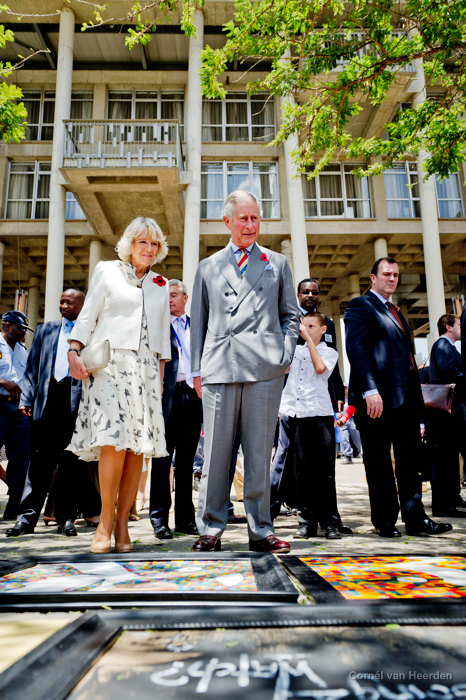
Soweto – Britain’s Prince Charles and his wife Camilla toured Johannesburg’s historic Soweto township on Thursday on the first full day of a visit to South Africa.
They were greeted at the Freedom Square Monument by the Soweto Gospel Choir, with 24 singers and a drummer in colourful traditional dress and beads, singing Miriam Makeba’s Click Song and other African favourites.
Children from local schools and a creche lined the square for the royal pair’s arrival, receiving smiles and waves from the couple.
“It was so cool, I liked that. It’s so long I want to see the prince,” said Boniswa Msibi, an 18-year-old Soweto high school pupil who shook hands with the prince. “We’re so happy that they’re coming into Soweto to see us and are not afraid of us.”
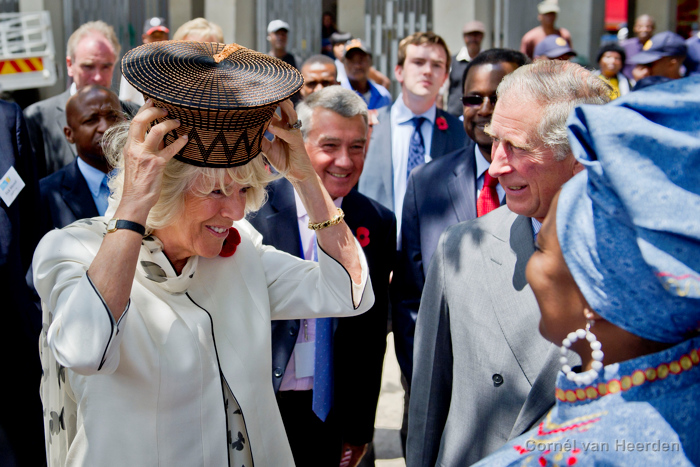
Camilla, dressed in a cream-coloured butterfly-print dress and a cream jacket with black piping, tried on some colourful hats at a handicraft stall.
“Lovely, these hats,” the prince said.
Climate change
The couple inspected the monument at the centre of the square, a tribute to the Freedom Charter drafted by the now-ruling African National Congress in 1955 to counter the policies of the white-minority apartheid government.
The charter remains the cornerstone of ANC policies today, and its text is printed on a large stone disc inside the conical monument.
Later in the day, Charles was set to meet business leaders in the nearby capital Pretoria to discuss climate change, and then to visit Nelson Mandela’s personal archives at his foundation in Johannesburg.
Before leaving for Tanzania on Sunday, the pair will also meet Zulu King Zwelithini at his residence in the eastern province of KwaZulu-Natal, as well as Deputy President Kgalema Motlanthe.
In Cape Town, the prince will discuss climate change with government and business representatives.
The last time the prince visited South Africa was in 1997.
– AFP
———

EXCLUSIVE: Wife of ‘Sunday Rapist’ talks

Melanie Steyn, wife of the alleged Sunday rapist, Jaco Steyn talks to Hanlie Retief of Rapport newspaper. Jaco Steyn is being accused of being a serial rapist and that he raped and killed Louise de Waal. He earlier gave himself up to the Police and confessed that he is the Sunday rapist.
In South Africa this is a very high profile case at the moment. Very difficult shoot, as the wife did not want to be identified and she hasn’t spoken to any other media.

Johannesburg – “Sunday rapist” Johannes Jacobus Steyn reportedly raped and killed Roodepoort schoolgirl Louise de Waal while his wife was at work and his son was at school.


These details were contained in a signed confession made by Steyn, Beeld reported on Tuesday.


Steyn, 35, confessed to being the “Sunday rapist” before a magistrate in the Krugersdorp Magistrate’s Court on Friday.


He allegedly raped a number of young girls in Gauteng and the North West, mostly on Sundays, since 2008.


Raped at his home


His last victim was said to have been De Waal, who was abducted, raped and murdered last week.


According to the newspaper, Steyn allegedly raped de Waal in his home in the affluent suburb of Wilropark, in Roodepoort.


At the time, his wife was at work and their 6-year-old son was at school.


After committing the crime, he apparently called someone from his church and some friends.


He then got into his gold Mercedes-Benz and fled to Margate, on the KwaZulu-Natal south coast, where he eventually handed himself over to the police.


It was reported that he had planned to commit suicide.


Child porn


According to the report, police found child pornography on Steyn’s computer. He had also burnt caps and wigs, which he used to disguise himself, as well as dildos [sex toys].


The Sunday rapist’s reign of terror apparently began in November 2008.


He allegedly struck again in June and November 2009 in Rustenburg and Potchefstroom.


He was suspected of raping a 16-year-old girl from Vanderbijlpark in February last year and another teenager in Rustenburg in March that year.


On August 15, he allegedly raped an 18-year-old girl, also in Potchefstroom.


Police believed that he was the man who kidnapped 14-year-old Lazanne Farmer and her 16-year-old friend in September.


Farmer died when she jumped from a moving car during the kidnapping.


Later that month, the “Sunday rapist” allegedly kidnapped and raped a 15-year-old girl in Carletonville and on October 31 last year he raped an 11-year-old girl in Krugersdorp.

13 rape charges


Steyn faces 13 charges of rape, 10 of kidnapping, one of murder and six of sexual assault.


The matter has been postponed until December 13 for further investigation. The State has applied for all the charges against him to be centralised.


According to the Beeld, when he appeared in court on Monday, Steyn was wearing the same clothes he wore when he abducted, raped and killed de Waal.


The court has ruled that photographs of Steyn may not be displayed in a manner that could show his identity, as an identity parade might be needed at a later stage.


Steyn’s colleagues at Burger Ceiling and Partitioning Distributors were receiving counselling organised by their employer, the newspaper reported.

– SAPA

Johannesburg – The man accused of killing Roodepoort schoolgirl Louise de Waal has confessed to being the “Sunday rapist”, police said on Monday.


“Johannes Jacobus Steyn confessed before a magistrate in Krugersdorp on Friday,” Lieutenant Colonel Tshisikhawe Ndou told reporters outside the Krugersdorp Magistrate’s Court.


“He confessed to being the so-called Sunday Rapist, but not to being De Waal’s murderer”, he said.


Steyn had allegedly raped a number of young girls in Gauteng and the North West, mostly on Sundays, since 2008.


“As you all know, the modus operandi was the same in all these rapes. He wore a wig, sunglasses and a cap. He confessed to that.”


Steyn covered his face with a jacket as he entered the courtroom on Monday.


He quickly sat down and buried his head between his legs. He continued covering his head as the charges were read to him.


Steyn faces 13 charges of rape, 10 of kidnapping, one of murder and six of sexual assault.


The case was postponed to December 13 for further investigation.


The court ruled that photographs of Steyn may not be displayed in a manner that could show his identity, as an identity parade might be needed at a later stage.


Steyn allegedly abducted De Waal in Roodepoort, west of Johannesburg, nearly a week ago. She would have turned 17 at the weekend.


A burnt body, believed to be hers, was found on a farm in Magaliesburg later the same day.


Steyn handed himself over at the Margate police station in KwaZulu-Natal on Thursday morning.


Two cases of kidnapping he allegedly committed in Rustenburg and Potchefstroom in the North West province, would also be heard at the Krugersdorp Magistrate’s Court.


This was after the State applied for all cases against him to be centralised.


Outside the court, a lone poster strung around a refuse bin read: “Hang the bliksem.”

– SAPA

The full story (Afrikaans) :
http://www.rapport.co.za/Rubrieke/HanlieRetief/Hanlie-gesels-met-Melanie-Steyn-20111030

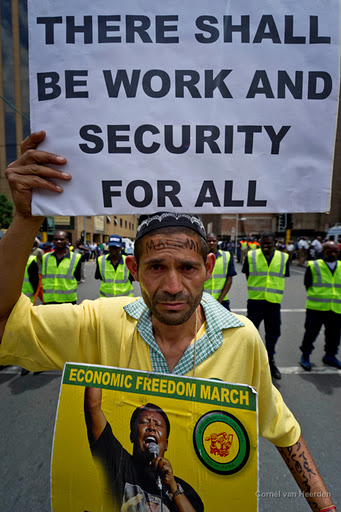
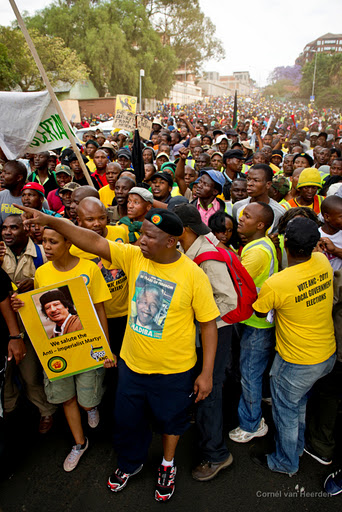
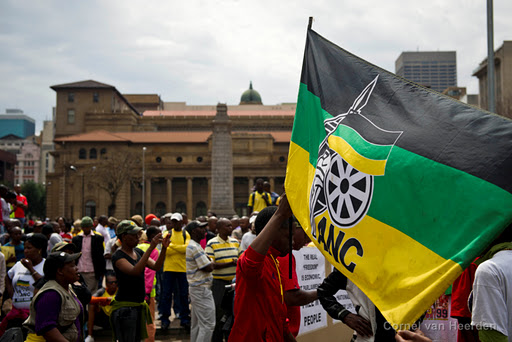
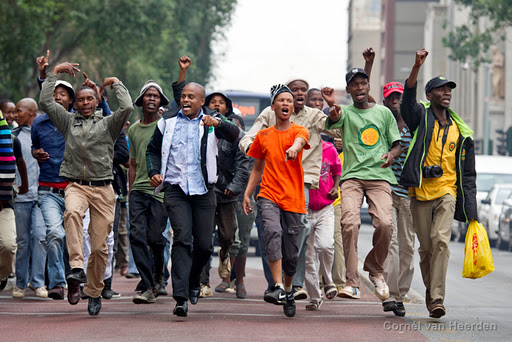
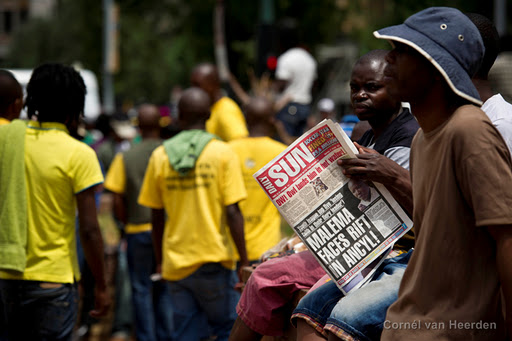
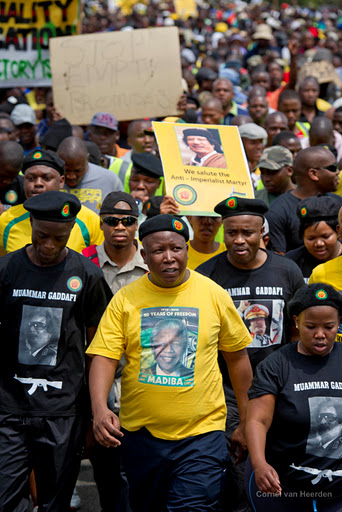
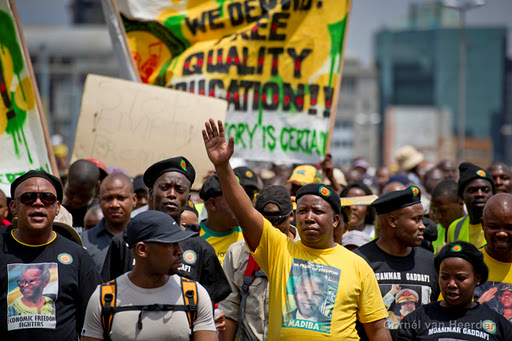
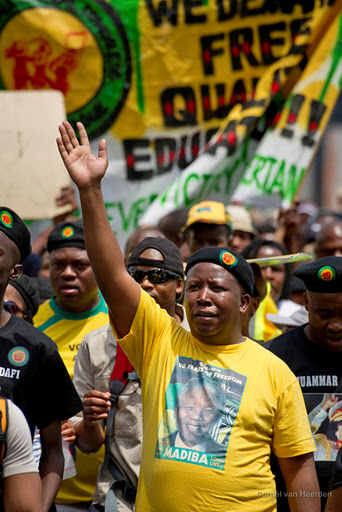
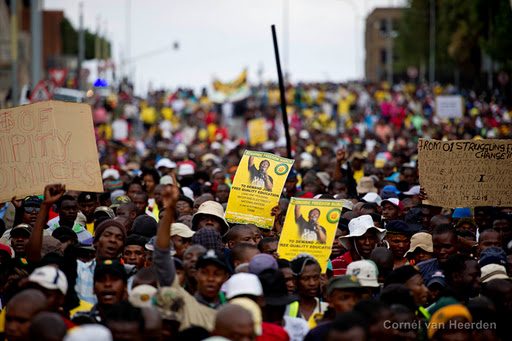
ANC Youth League March, Johannesburg.

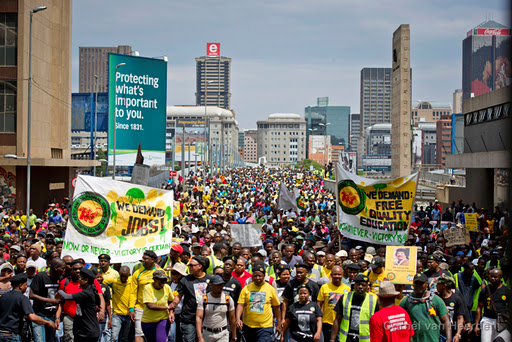
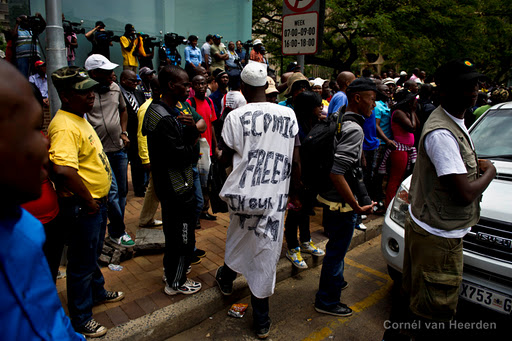
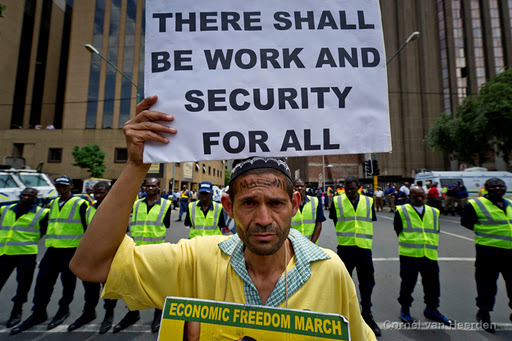
 ANC Youth League members had completed the first stage of their three-stage march for economic freedom by 3.30pm on Thursday.

Around 5000 marchers handed over a memorandum to the Chamber of Mines in the Johannesburg CBD in the first stage.
They had set off from Beyers Naude Square at noon, four hours later than planned due to transport problems.
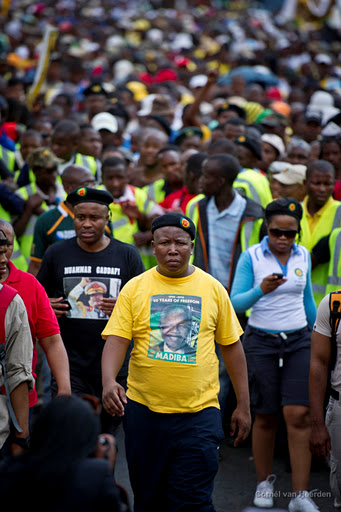
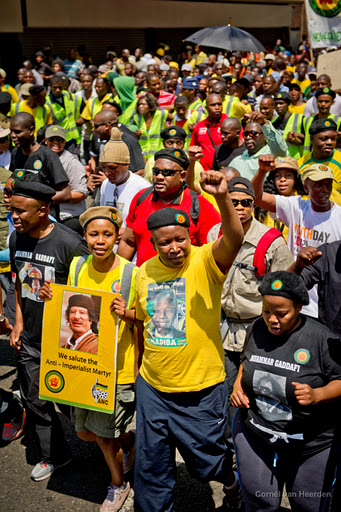
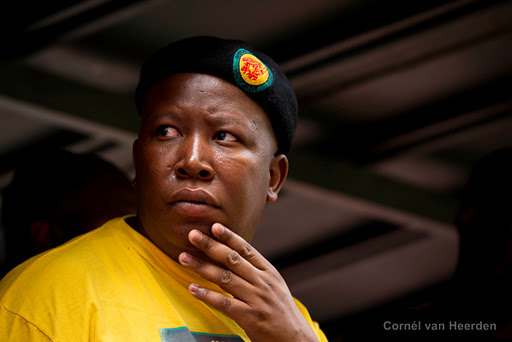
Led by ANC Youth League president Julius Malema and a formation of police cars, four Casspirs and a water cannon, the group sang revolutionary songs and danced through the CBD.
Chamber of Mines CEO Bheki Sibiya accepted the memorandum after ANCYL deputy president Ronald Lamola read out the grievances contained in it.
Sibiya told reporters the chamber would apply its mind to the content of a memorandum.
“We understand that the level of unemployment is too high and we agree with the youth league that the level of poverty is too high,” he said.
“We will distribute it (memorandum) to our 55 members.”
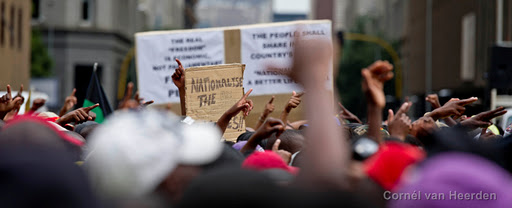
The league was demanding the nationalisation of mines and the introduction of probation programmes within companies to give youth skills in mining.
The memorandum calls for better wages for mine workers and the active involvement of mining companies in the development of the industry.
After spending 20 minutes at the chamber’s offices, marchers headed to the next planned stage of the march, the Johannesburg Stock Exchange in Sandton.
Malema urged supporters to exercise maximum discipline throughout their “long walk to economic freedom”.
“Take your time and walk. We have the whole day and night. You must not run,” he said.
“We (the leadership) are coming to march with you because we are all from poor backgrounds.”
However, the marchers’ spirits started flagging just after 2pm as they entered Oxford Road in Killarney.
They stopped to wait for a water tanker as several people were dehydrated and at least five people had fainted.
The marchers were no longer singing and dancing, but shuffling along in the heat.
Some of the placards carried by marchers read: “The real freedom is economic not parliamentary. Free my people.”
Another with slain Libyan leader Muammar Gaddafi’s picture read: “We salute anti-imperialist martyr Gaddafi”.
Others read: “90 percent of the economy is still in the hands of the minority” and “Malema we must stand by you through thick and thin.”
Juice and water was handed out as marchers reached the Rosebank Zone, and supporters resumed singing and dancing.
Gauteng police spokesman Lt-Col Lungelo Dlamini said the march had been peaceful so far.
“There have been no disruptions since the march started. Everything is peaceful.”
Police and a private security company hired by the youth league were monitoring the situation.
Meanwhile, the Johannesburg Stock Exchange in Gwen Lane in Sandton was prepared with railing gates wrapped in black plastic sealing off its underground parking entrances.
Police in bakkies waited at the end of Gwen Lane, which was blocked at one end.
Once marchers had handed over a memorandum to the JSE, the plan was for them to march to Pretoria where a night vigil was to be held prior to a march on the Union Buildings on Friday.
The last mass action by ANCYL members happened outside Luthuli House in central Johannesburg at the start of Malema’s disciplinary hearing last month.
Youth league members threw rocks, bottles and bricks at journalists and police, and burnt ANC flags and t-shirts with pictures of President Jacob Zuma printed on them.
The march was taking place a day after testimony in Malema’s disciplinary hearing was concluded. He and several co-leaders face charges of bringing the ruling party into disrepute.
Earlier, the SABC reported that members of the Congress of SA Students (Cosas) had forced pupils from Alexandra and Soweto schools to join the march. – Sapa